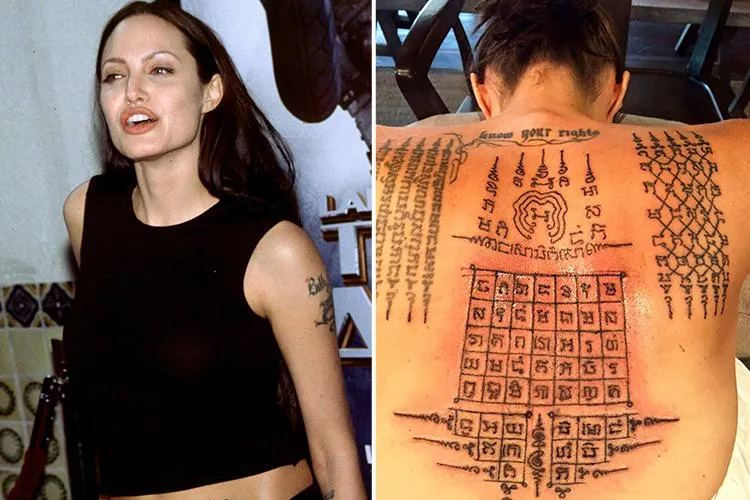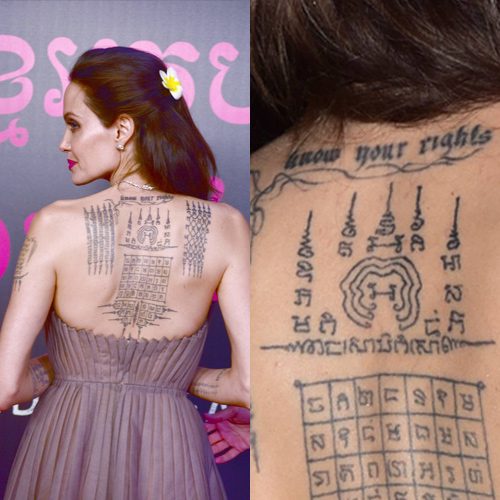
Nowhere else in the world, in any other country, do the traditions of tattooing include a religious festival held annually, except in Thailand. In this region, tattooing touches the soul, connected as it is to Buddhism.
Every year, thousands of tattoo enthusiasts from all over the world visit the Wat Bang Phra temple, located in Nakhon Chai Si, 50 kilometers from Bangkok. The tattoo festival takes place in March and annually draws thousands of enthusiasts back to the temple to recharge their tattoos with energy. Tens of thousands of people, tattooed from head to toe, and Buddhist monks are the true masters of this art. The place is also known as the Temple of the Flying Tiger.
In contrast to most Western tattoos, the Thai ones embody spirituality and are sometimes imbued with superstition. Protection, luck, and heavenly blessing—these are what the adherents of tattooing seek. Many people arrive already tattooed and are simply there to have their existing tattoos corrected or renewed. The masterpieces are created by Buddhist monks, which serves as a repeated blessing for the existing artwork for those who require it.
During the festivities, it is not uncommon for tattoo devotees to enter another dimension, a higher state of consciousness, similar to a trance, through their chanting. Everyone arrives with gifts and incense sticks, which they offer to the venerable master/teacher of the tattoos.
One of the Thai traditions is that soldiers wear the so-called Sak Yant tattoos, which have a protective function. The belief in magical powers has become so great that it is now a natural belief that a proper tattoo, naturally executed by a master of the art, can provide protection against bullets. Not only are the Buddhist designs powerful, but primarily the prayers recited during the tattooing process. These are read by monks, and the meter-sized tattoos complete their work. The needle is held in one hand, like a billiard cue, while the master delivers quick strikes to the skin with the other hand. The monk’s wrist becomes almost invisible due to the rapid two or three strikes per second. The result of the precise, accurate execution and close placement of the dots resembles an embroidered tapestry. According to tattoo fanatics, the manual tattooing process is indeed a very painful operation, but it is easily endured if you believe it will make you invincible.
However, manual tattooing is not the only method practiced in Thailand. The other common form of tattooing involves pricking the skin with a needle and then rubbing the wound with ink, while the tattooing monk recites a prayer that imbues the tattoo with spiritual power.
There are hundreds of traditional Thai designs, many of which depict animals. The always impressive, strong, and majestic tiger has been chosen by the Thais as their most popular symbol. The lower back/lumbar region is the most common body part for this powerful symbol. A tiger tattoo means you take on the spirit of the tiger, which will be part of your life until the day you die.
Angelina Jolie chose a similar classic tiger tattoo, which was executed by a highly sought-after tattoo master, the venerable Ajarn Noo Kanphai, in 2004.