Igen, ezt is érdemes rendbe tenni, mert az alap jó, de van benne pár számolási és szakmai ellentmondás. A legfeltűnőbb: a komlótáblázatnál fent 26.9 IBU, később 20.3 IBU szerepel. A 6.17% ABV pedig 1.055 → 1.008 mellett valóban kb. 6.2%, tehát ezt nem nevezném „light-bodied” vagy különösen könnyű sörnek. A 75 °C mash-out sem „ensures full starch conversion”; a konverziónak addigra már lényegében meg kell történnie.
A Pale Ale bevezetőt is rövidebbre venném. Aki receptet keres, annak nem kell előtte fél tankönyvnyi stílustörténet. A receptet viszont részletesebben és használhatóbb formában adnám.
Cascade Pale Ale – Light, Citrusy American Craft Beer
What Is a Pale Ale?
A Pale Ale is a top-fermented beer traditionally brewed with pale malt, giving it a golden to amber color and a cleaner malt character than darker ales.
Modern Pale Ales usually balance a moderate malt backbone with noticeable hop bitterness, flavor and aroma. Depending on the hops used, the beer may show citrus, floral, pine, resin, herbal or fruity notes.
The American Pale Ale (APA) developed into a distinctly hop-forward interpretation of the style, particularly through the use of American hop varieties such as Cascade, Centennial, Chinook and Amarillo.
Compared with a typical IPA, an American Pale Ale is generally less aggressively hopped and somewhat easier drinking, while still allowing the hops to remain the main attraction.
And few hops represent classic American Pale Ale better than Cascade.
Cascade Pale Ale Recipe
This recipe is built around one hop: Cascade.
Cascade is one of the varieties that helped define the character of modern American craft beer. Its distinctive combination of grapefruit, citrus, floral and subtle pine notes makes it particularly well suited to Pale Ale.
The malt bill is deliberately simple. Pale malt provides the base, a small amount of flaked oats softens the mouthfeel, and Carapils supports body and head retention.
The result is a golden, moderately bitter Pale Ale with a pronounced Cascade character and enough malt underneath to keep the beer balanced.
Recipe Overview
| Parameter | Target |
|---|---|
| Type | All-Grain |
| Style | American Pale Ale |
| Batch Size | 25 L |
| Boil Time | 60 min |
| Mash Efficiency | 75% |
| Mash Water | 20 L |
| Sparge Water | 13 L |
| OG | 1.055 |
| FG | 1.008 |
| ABV | ~6.2% |
| Color | ~9 EBC |
| Fermentation | 18–20°C |
Note on IBU: The final bitterness depends strongly on the alpha-acid percentage of your particular Cascade hops and your brewing software’s utilization model. Enter the actual alpha-acid value printed on the hop package before brewing rather than relying on a fixed IBU number.
Malt Bill – 5.6 kg
5.0 kg Pale Malt
The main base malt and the backbone of the beer. It provides a clean grain and light biscuit character while allowing the Cascade hops to remain prominent.
300 g Flaked Oats
Adds a little extra body and a smoother mouthfeel without making the beer heavy.
300 g Carapils
Supports body and foam stability while keeping the malt profile relatively neutral.
This is intentionally a straightforward grain bill. There is no need for a large amount of crystal malt because the goal is a clean, bright and hop-focused Pale Ale rather than a sweet or heavily caramelized beer.
Cascade Hop Schedule
Total Cascade: 100 g
35 g Cascade – 60 minutes
Added at the beginning of the boil primarily for bitterness.
Using Cascade for bittering is not the most economical choice compared with a high-alpha hop such as Magnum, but in a single-hop Cascade Pale Ale it keeps the entire hop character connected to one variety.
30 g Cascade – Flameout / 0 minutes
Add immediately after the heat is turned off.
This addition preserves considerably more of Cascade’s aromatic character than the 60-minute addition and contributes fresh citrus, grapefruit and floral notes.
For even greater aroma retention, this addition can instead be used as a short whirlpool addition after the wort has cooled somewhat.
35 g Cascade – Dry Hop
Add during or after the main fermentation and leave in contact with the beer for approximately 2–4 days.
This is where much of the fresh Cascade aroma comes from.
There is little reason to leave modern hop pellets in the beer for a very long period. A relatively short dry hop can already provide plenty of aroma while reducing unnecessary vegetal extraction.
Yeast – Lallemand Verdant IPA
22 g Lallemand Verdant IPA
Verdant IPA is an expressive ale yeast that can contribute fruity esters and a soft, rounded mouthfeel.
Although this is an American Pale Ale, the yeast gives the recipe a slightly different personality from the very neutral fermentation character associated with classic American strains.
Its fruitiness works particularly well with Cascade’s citrus character.
If you wanted a cleaner, more classic American interpretation, a neutral American ale strain would move the focus even more strongly toward the Cascade hops.
Mash Schedule
Mash – 65°C for 60 minutes
Mash at 65°C for approximately 60 minutes.
This relatively low mash temperature favors good fermentability and helps the beer finish reasonably dry rather than becoming overly sweet.
With an expected FG around 1.008, the result should be crisp enough to let the hops shine while still retaining some body from the oats and Carapils.
Mash Out – 75°C for 10 minutes
Raise the mash to approximately 75°C and hold for about 10 minutes if your brewing system and process benefit from a mash-out.
The purpose here is not to complete starch conversion. Conversion should already have occurred during the main mash.
Mash-out reduces wort viscosity and largely stops further enzymatic activity, which can make lautering and sparging easier.
Then sparge with approximately 13 L of prepared water, adjusting the exact amount to your own system losses and target pre-boil volume.
Water Profile
Water chemistry can make a noticeable difference in a hop-forward Pale Ale.
For this beer, I would favor sulfate over chloride, because sulfate helps emphasize hop bitterness and gives the finish a slightly drier, crisper impression, while chloride supports body and malt roundness.
A reasonable starting direction is approximately:
Sulfate: 120–180 ppm
Chloride: 50–80 ppm
These are not mandatory numbers. Your starting water matters, so brewing salts should be calculated from the mineral content already present in your water rather than simply added according to a universal recipe.
For the mash, aim roughly around pH 5.2–5.4 measured at room temperature.
Boil – 60 Minutes
Boil for 60 minutes.
Add the first Cascade addition at the beginning of the boil and the aroma addition at flameout.
If clearer beer is desired, Irish Moss or Whirlfloc can be added near the end of the boil according to the manufacturer’s recommended dosage.
After the boil, cool the wort as quickly as practical to fermentation temperature and transfer it to a sanitized fermenter.
Fermentation
Pitch the Verdant IPA yeast at approximately 18–20°C.
Rather than deciding that fermentation lasts exactly 12 days, follow the beer itself.
The most active fermentation will normally occur during the first few days. As fermentation slows, allow the yeast enough time to finish its work.
Dry Hopping
Add 35 g Cascade toward the end of fermentation or after primary fermentation has largely finished.
Keep oxygen exposure to a minimum when opening the fermenter. Oxygen introduced at this stage can quickly damage fresh hop aroma and shorten the beer’s shelf life.
Allow approximately 2–4 days of dry-hop contact.
How Do I Know Fermentation Is Finished?
Don’t rely only on the number of days.
Measure the gravity.
When the beer is close to the expected final gravity and the reading remains stable over consecutive measurements, fermentation can be considered complete.
The target for this recipe is approximately:
OG: 1.055
FG: 1.008
Using these values:
ABV ≈ 6.2%
That’s actually a fairly substantial Pale Ale, despite its light color and easy-drinking character.
Cold Crash
Once fermentation and dry hopping are complete, the beer can be cold crashed at approximately 2–4°C for 2–3 days.
Cold crashing encourages suspended yeast, hop particles and proteins to settle, helping produce a clearer beer.
It is optional rather than essential.
If possible, minimize oxygen entering the fermenter as the beer cools, particularly with a hop-forward beer like this one.
Packaging and Carbonation
The finished beer can be bottled or kegged.
For kegging, a moderate-to-lively carbonation level works particularly well with this style, helping the citrus aroma rise from the glass and giving the beer a refreshing finish.
If bottling, calculate priming sugar according to the actual beer volume, beer temperature and desired carbonation rather than using a fixed amount for every batch.
After carbonation and a little conditioning time, the beer is ready to drink.
Cascade Pale Ale is best enjoyed relatively fresh, while its grapefruit, floral and citrus aromas are still vivid.
Want More Hop Aroma?
The original 35 g dry hop keeps the recipe relatively restrained.
For a more aromatic modern version, increasing the dry hop to around 45–50 g Cascade is an easy modification without fundamentally changing the beer.
Another option is combining Cascade with a complementary American variety.
Cascade + Amarillo pushes the beer toward orange and citrus.
Cascade + Centennial gives a stronger classic American citrus and floral profile.
But there is also a good reason to brew this recipe exactly as written at least once.
A single-hop Cascade Pale Ale is one of the easiest ways to learn what Cascade actually tastes and smells like in beer.
Final Character
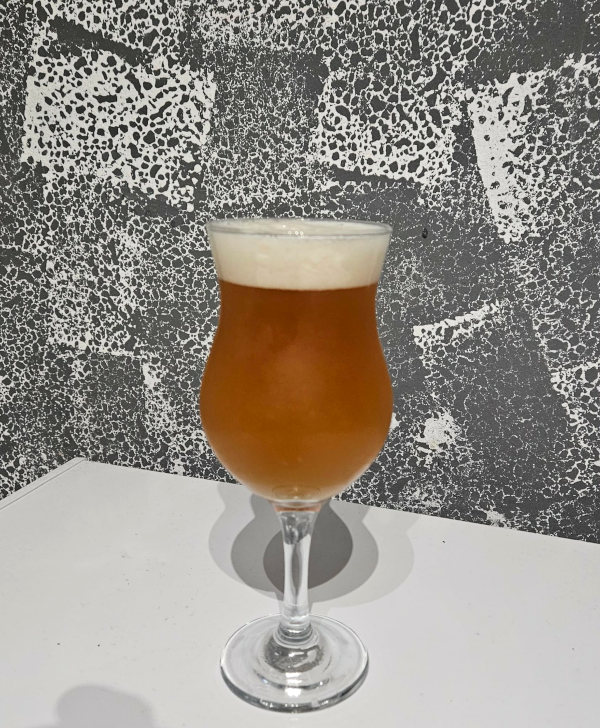
Expect a beer with a golden color, persistent white head, fresh grapefruit and floral aroma, moderate bitterness and a clean, relatively dry finish.
The small oat addition gives it enough softness that it doesn’t become thin, while the simple malt bill leaves plenty of room for the hops.
It isn’t trying to be an IPA.
It’s a straightforward American Pale Ale built around one of the hops that helped make American craft beer famous: Cascade.