Craft Beer

Explore the world of craft beer, from brewing ingredients and traditional methods to modern brewing science and technology. Discover in-depth articles about brewing malts, hops, yeast, water chemistry, mashing, fermentation, and beer production techniques. Our guides provide practical knowledge and technical insights for beginners, experienced homebrewers, and craft brewing enthusiasts.

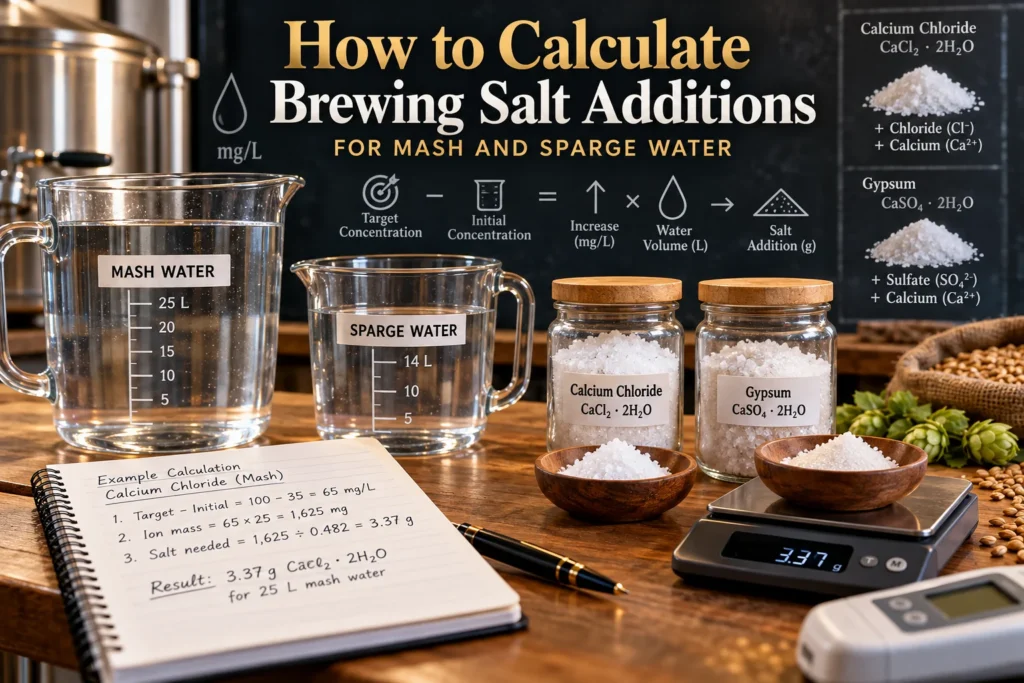
How to Calculate Brewing Salt Additions for Mash and Sparge Water

Brewing water adjustments can seem complicated when you first begin working with mineral profiles. You may know that calcium chloride increases chloride, gypsum increases sulfate, and that different beer styles benefit from different mineral balances. But understanding what these salts do is only the beginning. The next step is learning how much brewing salt to

How to Calculate Brewing Salt Additions for Mash and Sparge Water Read More »
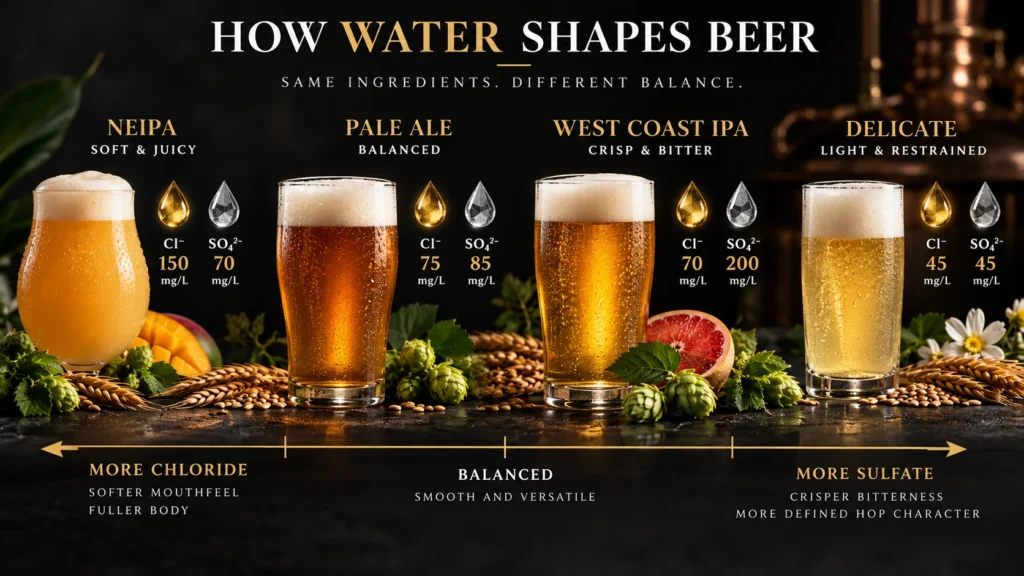
Chloride vs Sulfate: How Brewing Water Changes Beer Flavor

When homebrewers talk about improving beer flavor, the conversation usually begins with malt, hops, and yeast. We carefully select hop varieties, adjust mash temperatures, experiment with fermentation conditions, and fine-tune our recipes. But there is another ingredient that can significantly influence how the finished beer tastes: brewing water. Two of the most important ions for

Chloride vs Sulfate: How Brewing Water Changes Beer Flavor Read More »

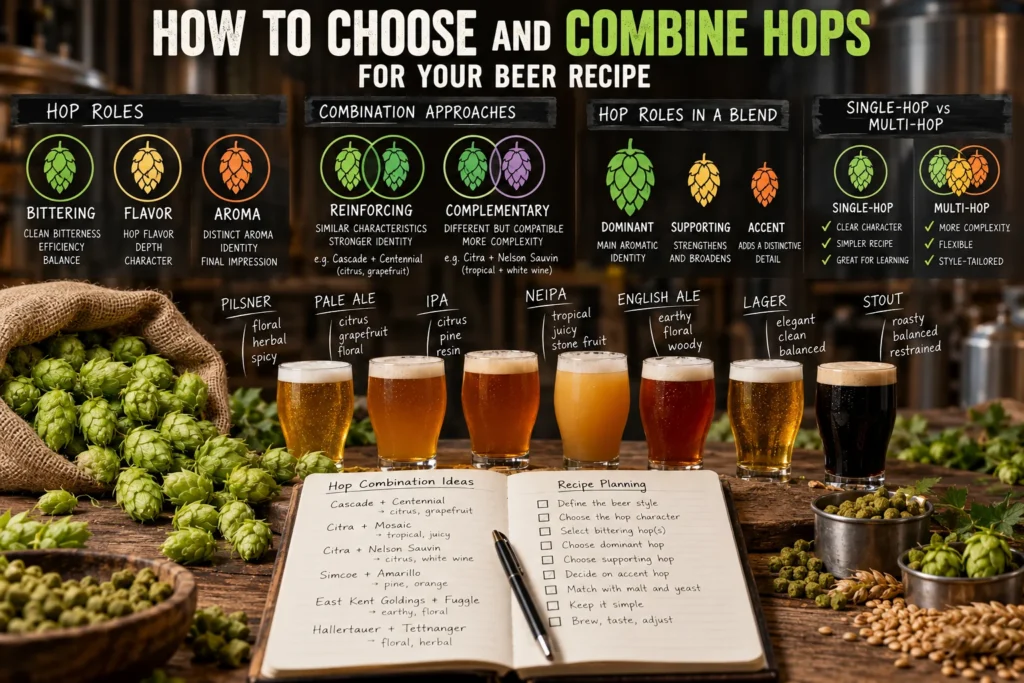
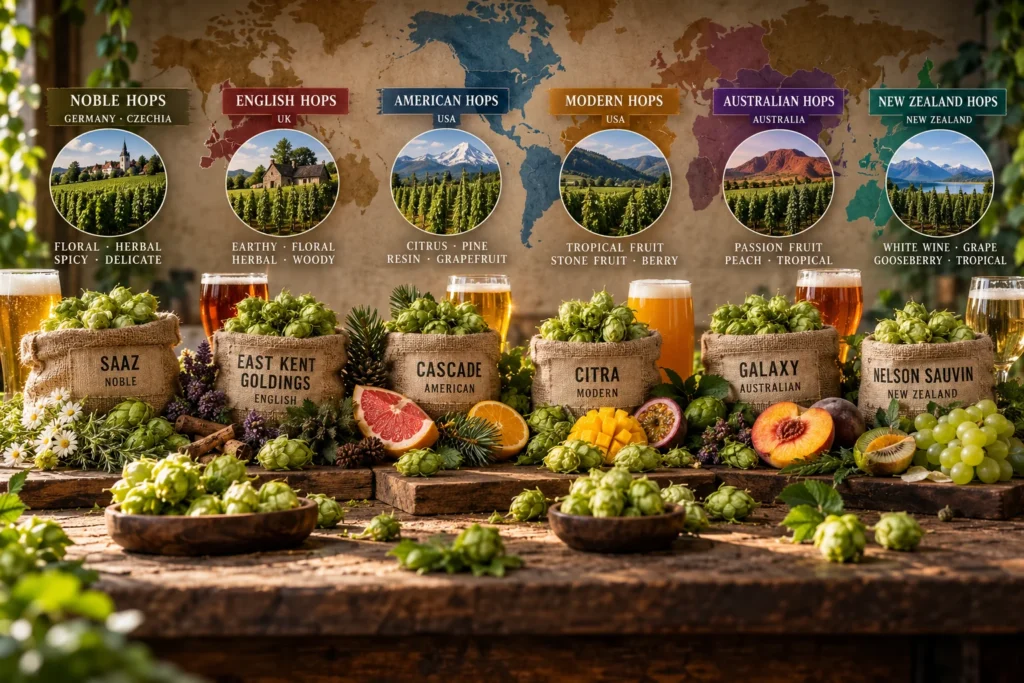
Hop Varieties Explained: Noble, English, American and New World Hops

Choosing a hop variety is about much more than looking at the alpha acid percentage printed on the package. Two hop varieties can have similar alpha acid levels and produce completely different beers. One may smell of flowers, herbs and delicate spices, while another can deliver grapefruit, pine and resin. A third may produce intense

Hop Varieties Explained: Noble, English, American and New World Hops Read More »

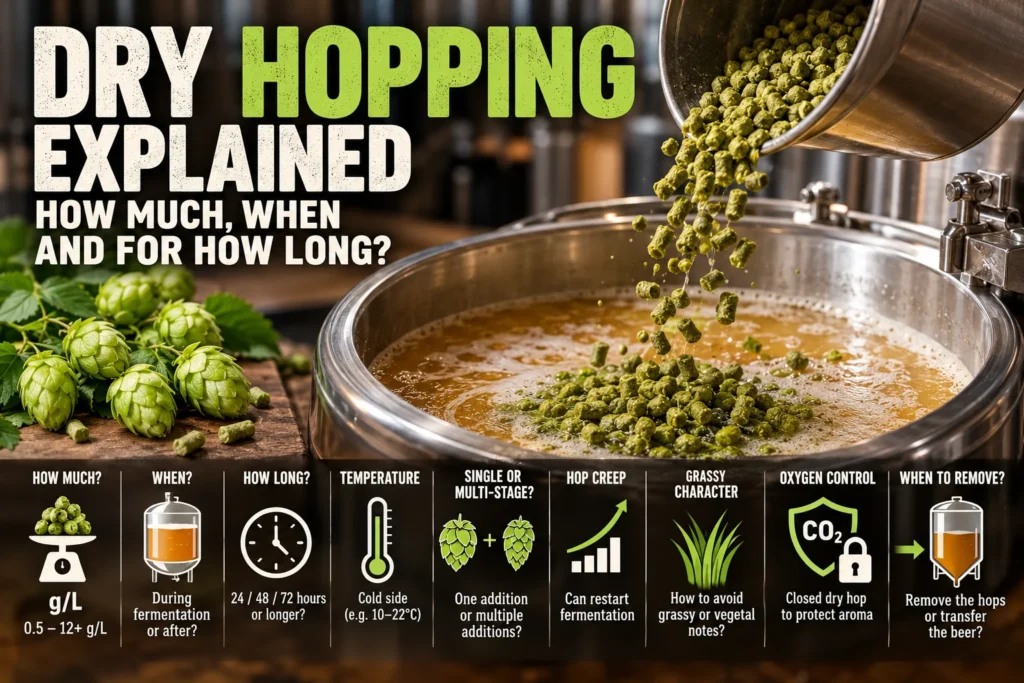
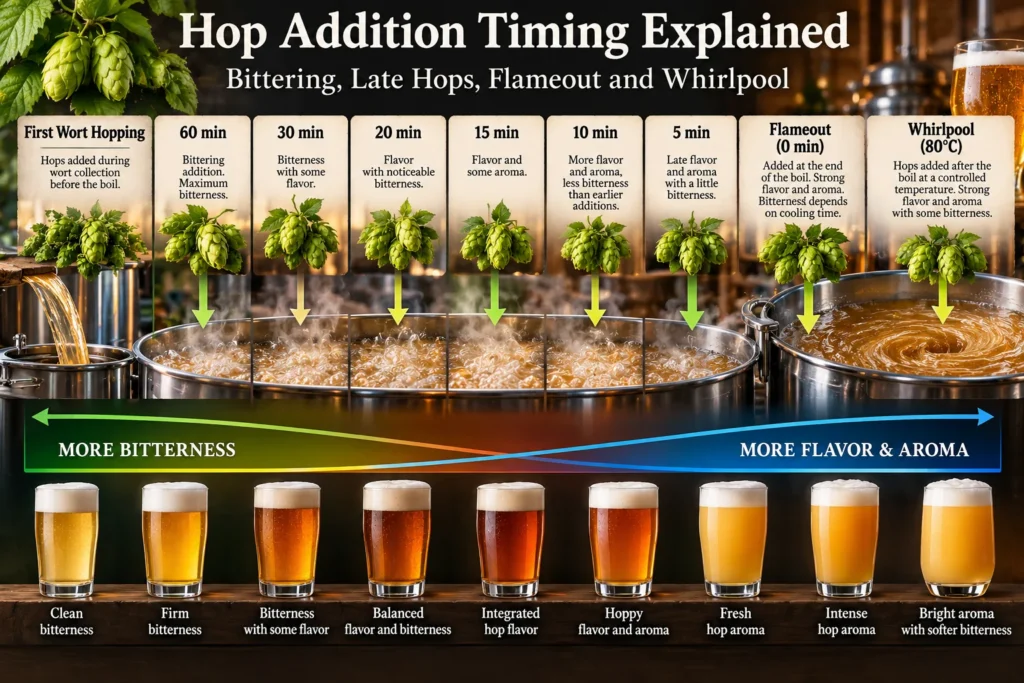
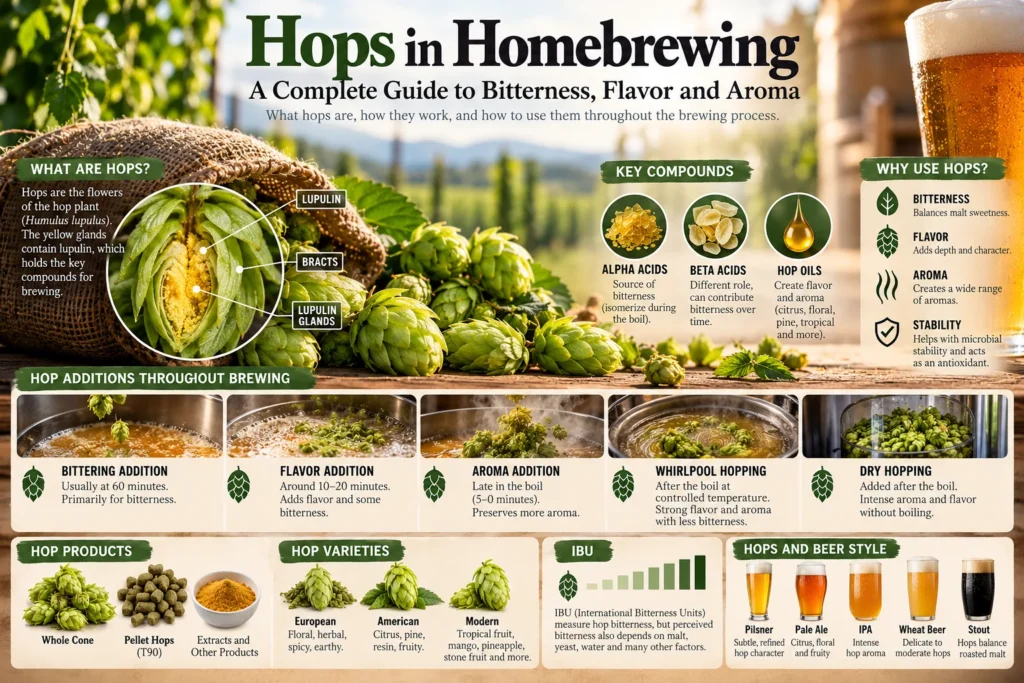
Hops in Homebrewing: A Complete Guide to Bitterness, Flavor and Aroma

Hops are one of the defining ingredients of beer. They can provide firm bitterness, delicate floral notes, fresh citrus, tropical fruit, pine, herbs, spice, resin, stone fruit and many other aromas. In some beer styles, hops remain quietly in the background. In others, they become the dominant character of the entire beer. But hops do

Hops in Homebrewing: A Complete Guide to Bitterness, Flavor and Aroma Read More »

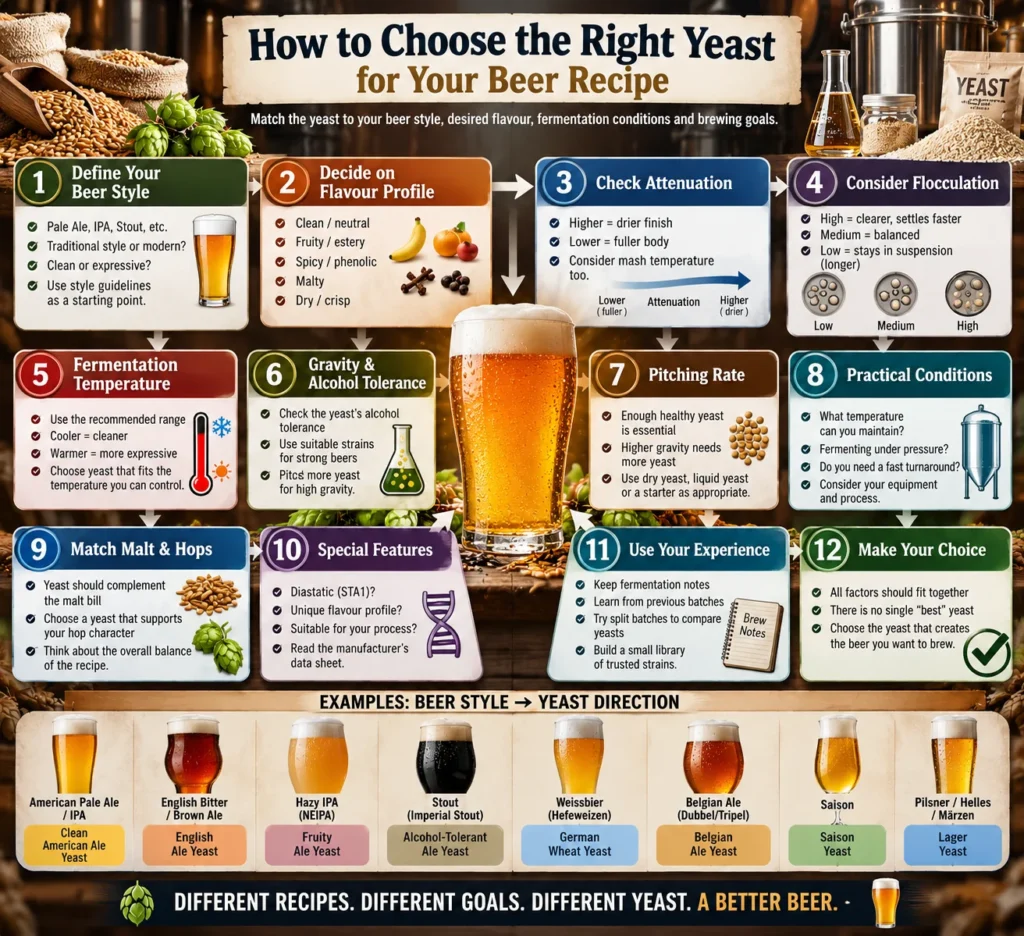
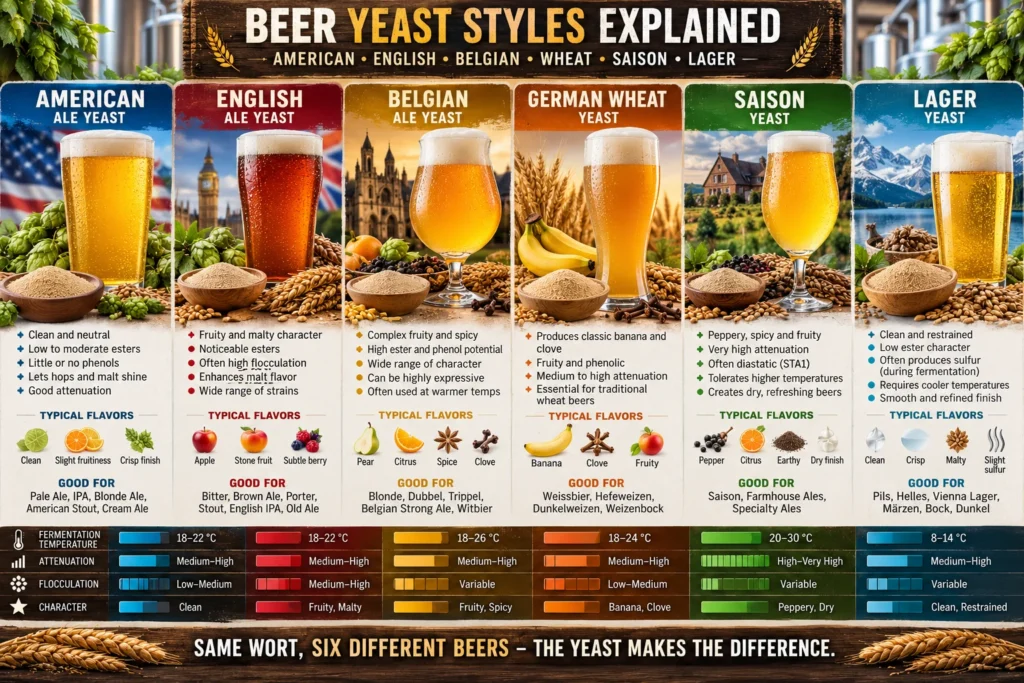
Beer Yeast Styles Explained: American, English, Belgian, Wheat, Saison and Lager Yeast

Choosing yeast by simply reading “ale yeast” or “lager yeast” on the package is not enough. Two yeast strains belonging to the same broad fermentation family can produce dramatically different beers. A clean American ale strain may allow hops and malt to dominate. An English strain can add fruitiness and enhance malt character. Belgian yeast

Beer Yeast Styles Explained: American, English, Belgian, Wheat, Saison and Lager Yeast Read More »