Craft Beer

Explore the world of craft beer, from brewing ingredients and traditional methods to modern brewing science and technology. Discover in-depth articles about brewing malts, hops, yeast, water chemistry, mashing, fermentation, and beer production techniques. Our guides provide practical knowledge and technical insights for beginners, experienced homebrewers, and craft brewing enthusiasts.

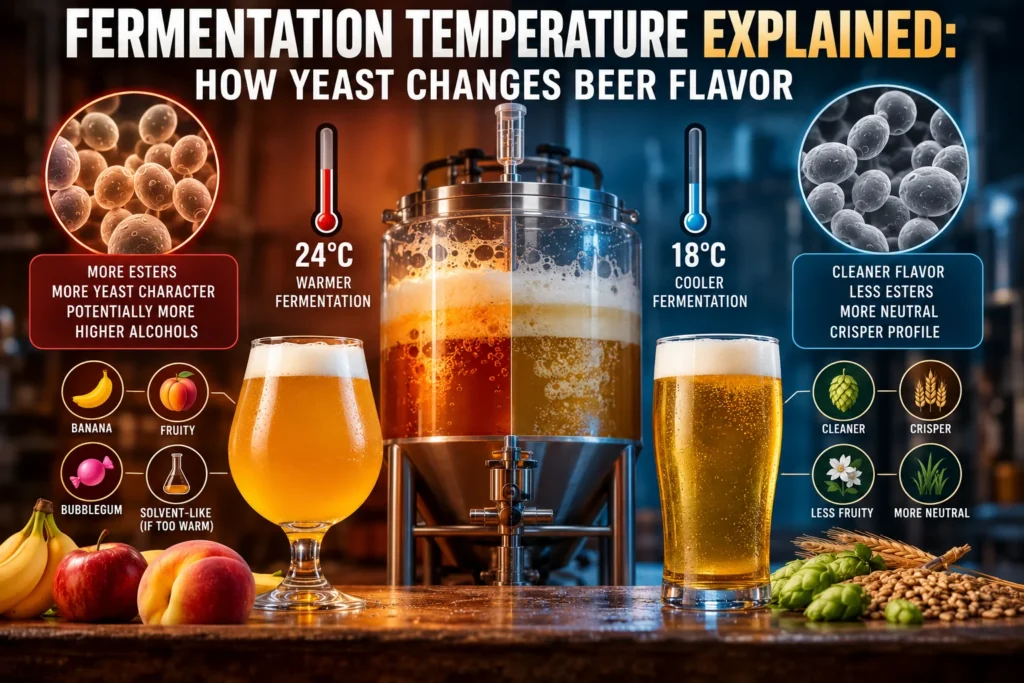
Fermentation Temperature Explained: How Yeast Changes Beer Flavor

Fermentation temperature is one of the most important variables in brewing. You can use excellent malt, fresh hops, good water and a suitable yeast strain, yet still produce disappointing beer if fermentation temperature is poorly controlled. Why? Because yeast does not simply ferment at different speeds at different temperatures. It behaves differently. Temperature affects yeast

Fermentation Temperature Explained: How Yeast Changes Beer Flavor Read More »

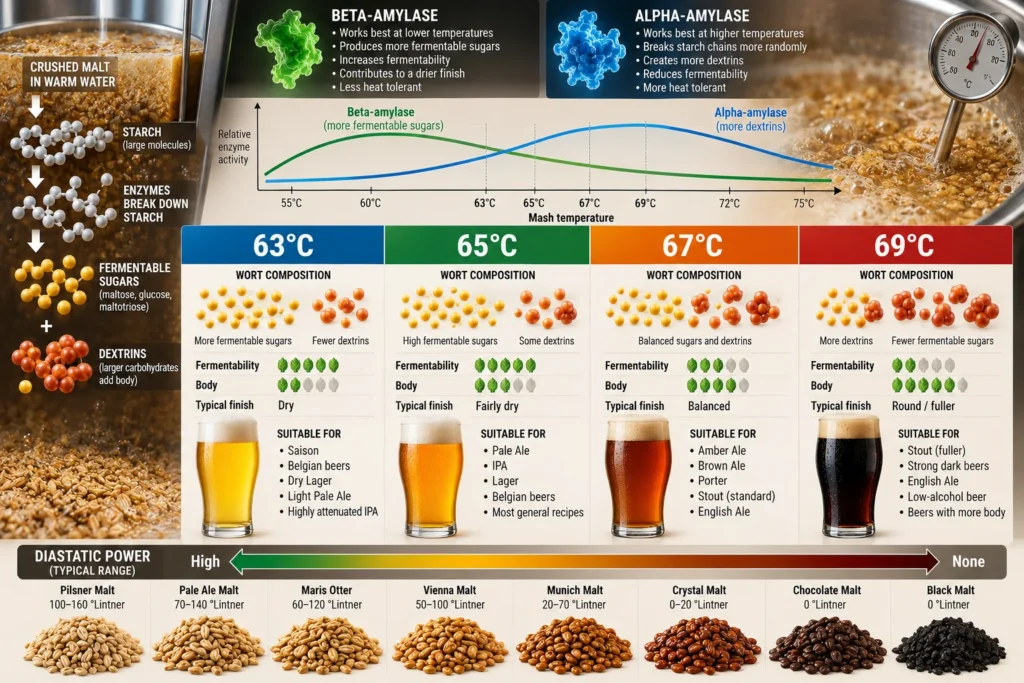
Diastatic Power and Mash Temperature Explained: Enzymes, Starch Conversion and Fermentability

When crushed malt is mixed with warm water, one of the most important processes in brewing begins. The starch stored inside the grain is converted into sugars. Some of these sugars can be fermented easily by brewing yeast. Others remain in the finished beer and contribute to body and mouthfeel. This conversion is driven primarily

Diastatic Power and Mash Temperature Explained: Enzymes, Starch Conversion and Fermentability Read More »

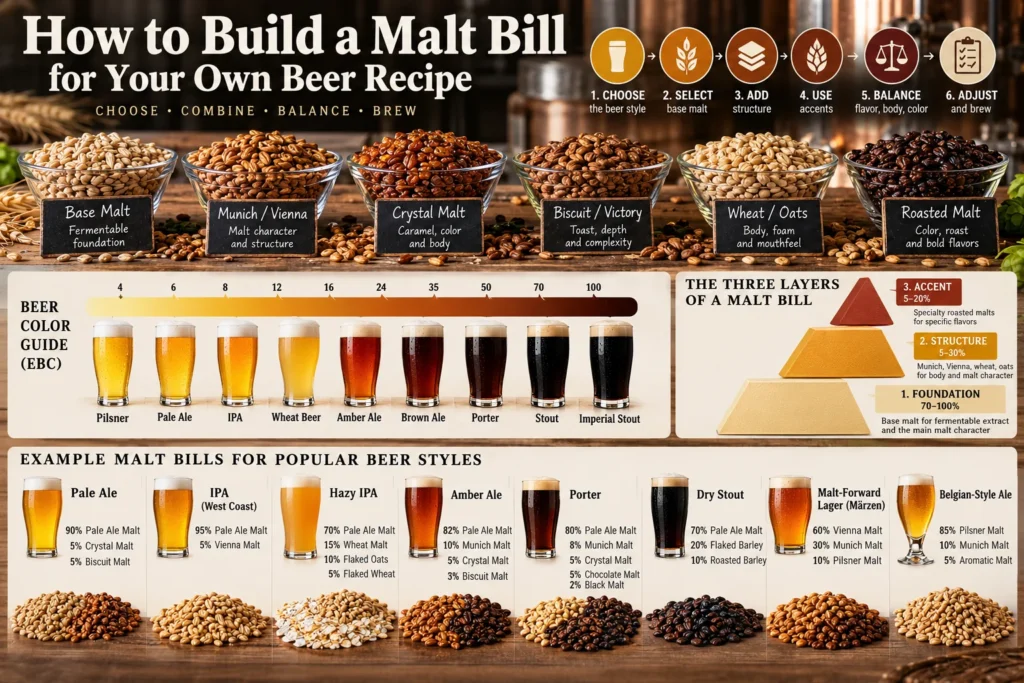
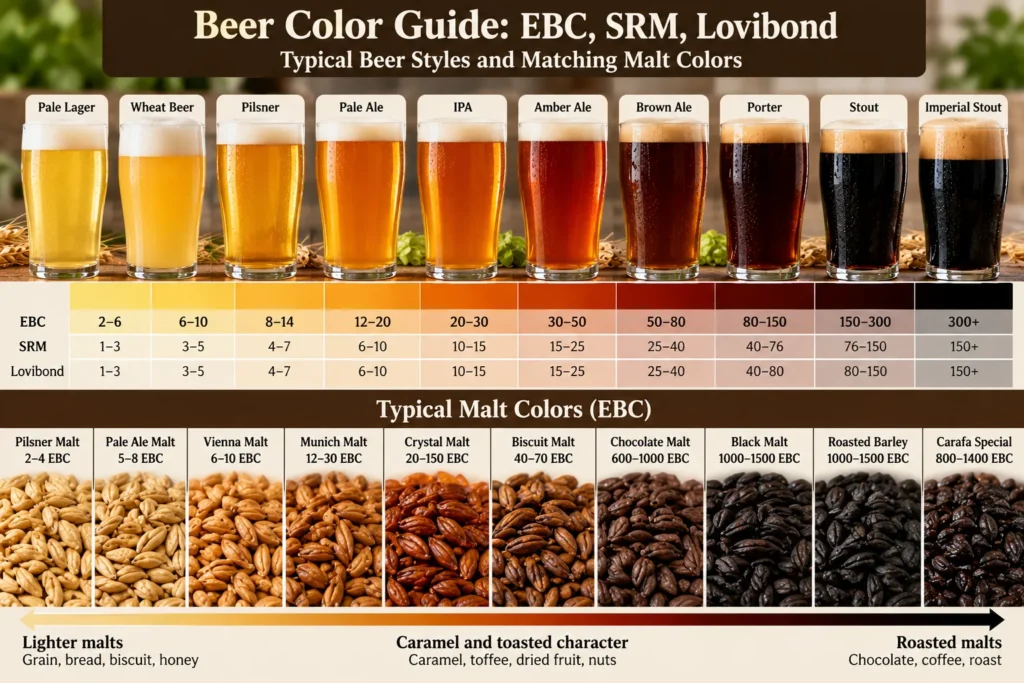
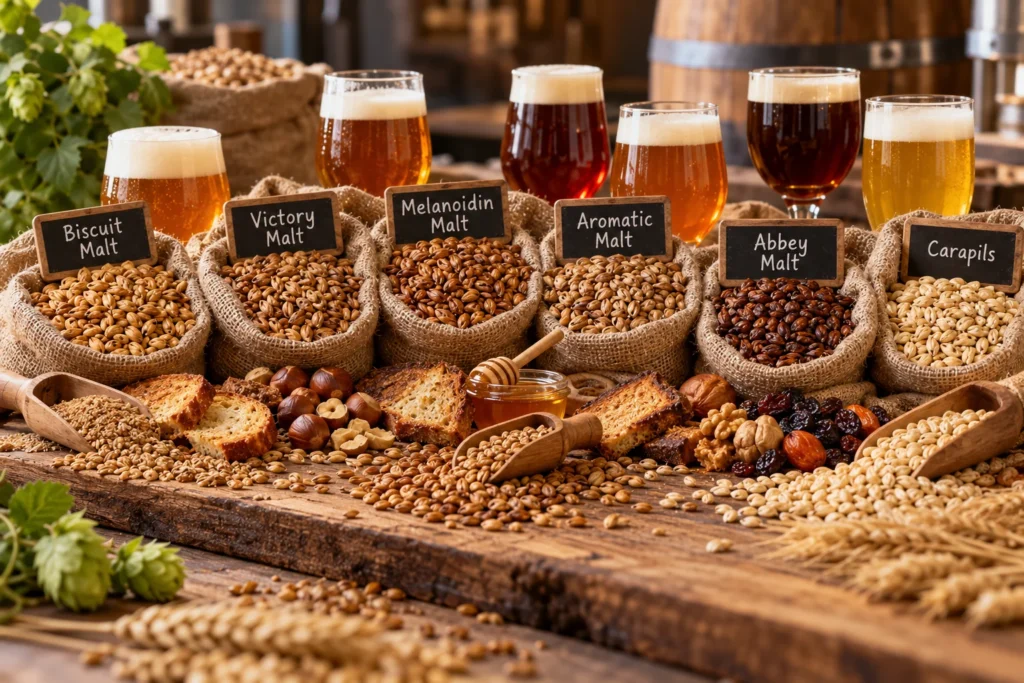
Specialty Malts Explained: Flavors, Usage Rates and How Much to Use

Specialty malts are some of the most useful ingredients available to homebrewers. A relatively small amount can completely change the character of a beer. They can add: But specialty malts are also among the easiest ingredients to overuse. Adding more does not automatically create a more complex or better beer. In many cases, the opposite

Specialty Malts Explained: Flavors, Usage Rates and How Much to Use Read More »