Craft Beer

Explore the world of craft beer, from brewing ingredients and traditional methods to modern brewing science and technology. Discover in-depth articles about brewing malts, hops, yeast, water chemistry, mashing, fermentation, and beer production techniques. Our guides provide practical knowledge and technical insights for beginners, experienced homebrewers, and craft brewing enthusiasts.

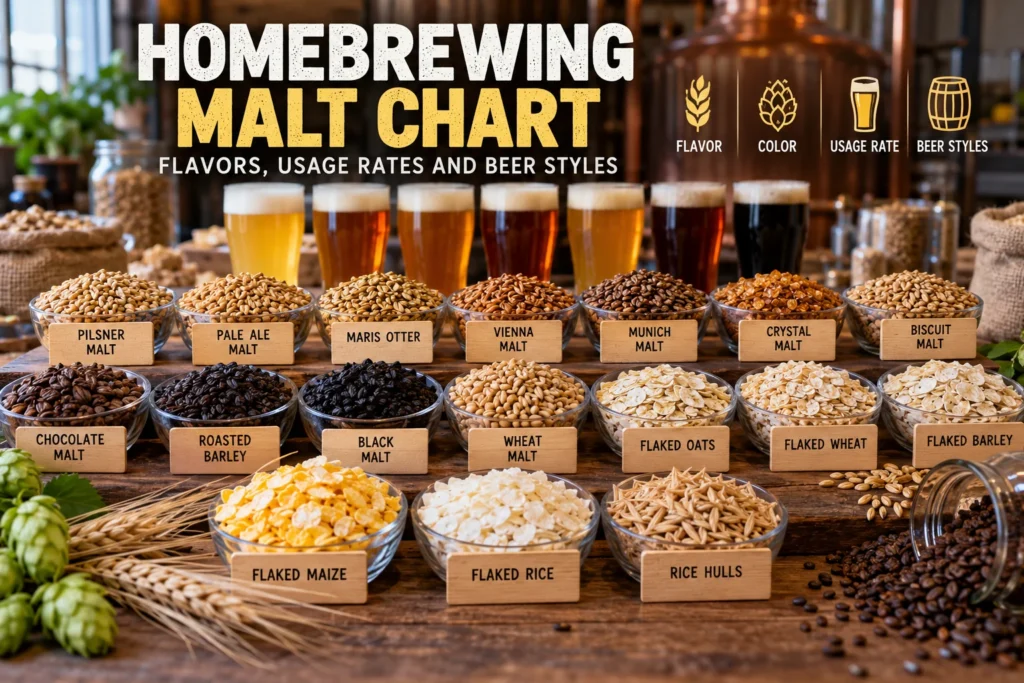
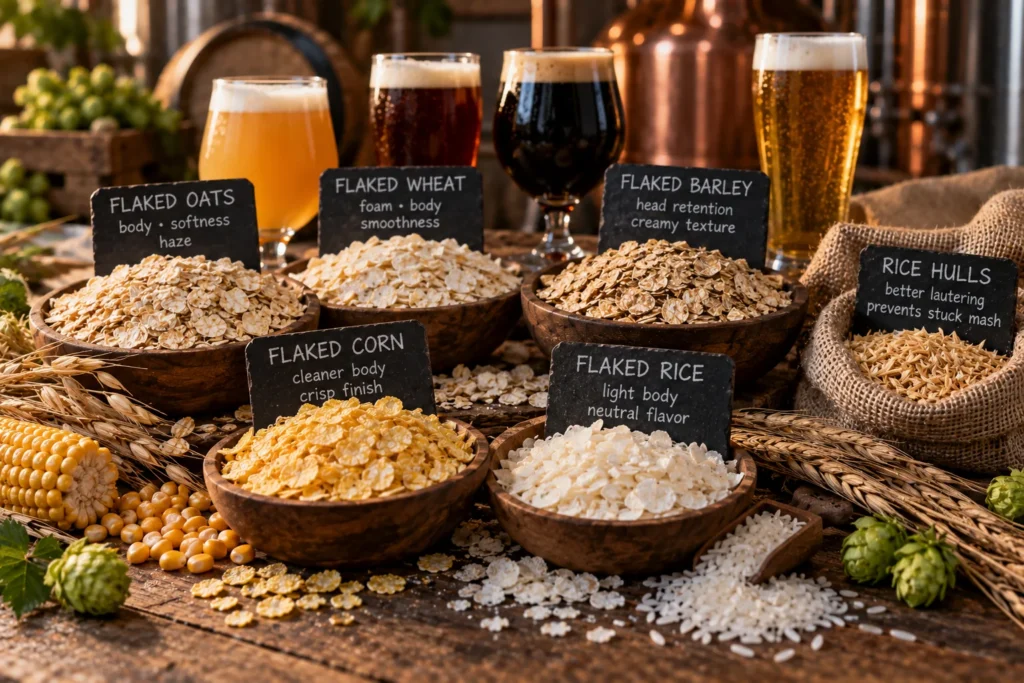
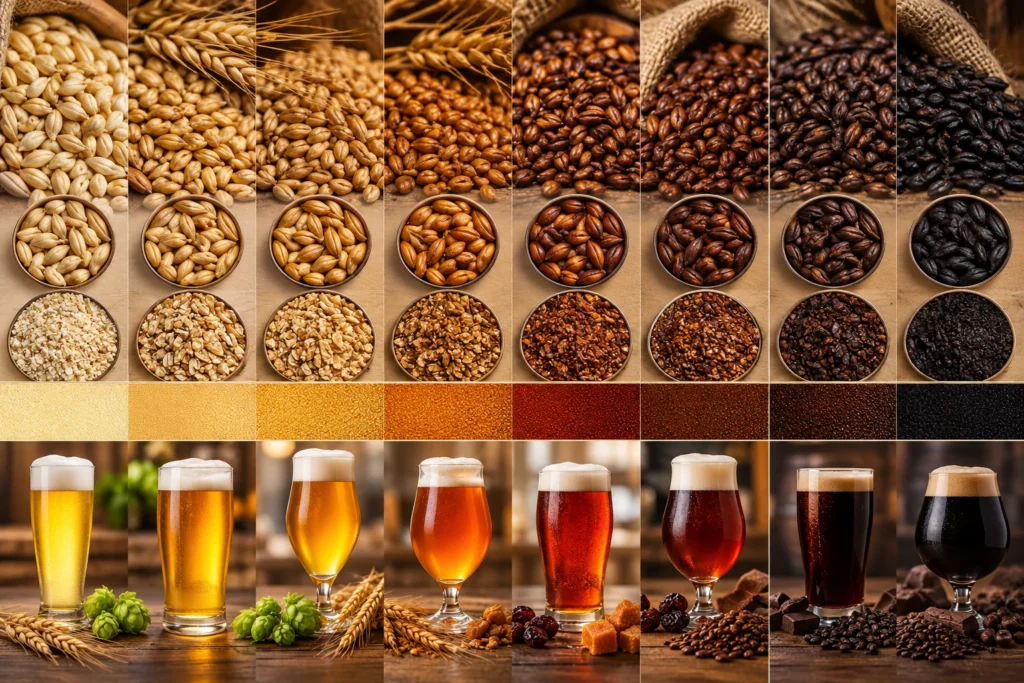
Homebrewing Malt Chart: Flavors, Usage Rates and Beer Styles

Choosing malt becomes much easier when you understand what each ingredient is actually supposed to do. Some malts provide most of the fermentable sugars. Others add bread, toast, biscuit, caramel, coffee or chocolate flavors. Some improve body and foam. Others are primarily used to adjust color. And ingredients such as oats, wheat, corn and rice

Homebrewing Malt Chart: Flavors, Usage Rates and Beer Styles Read More »

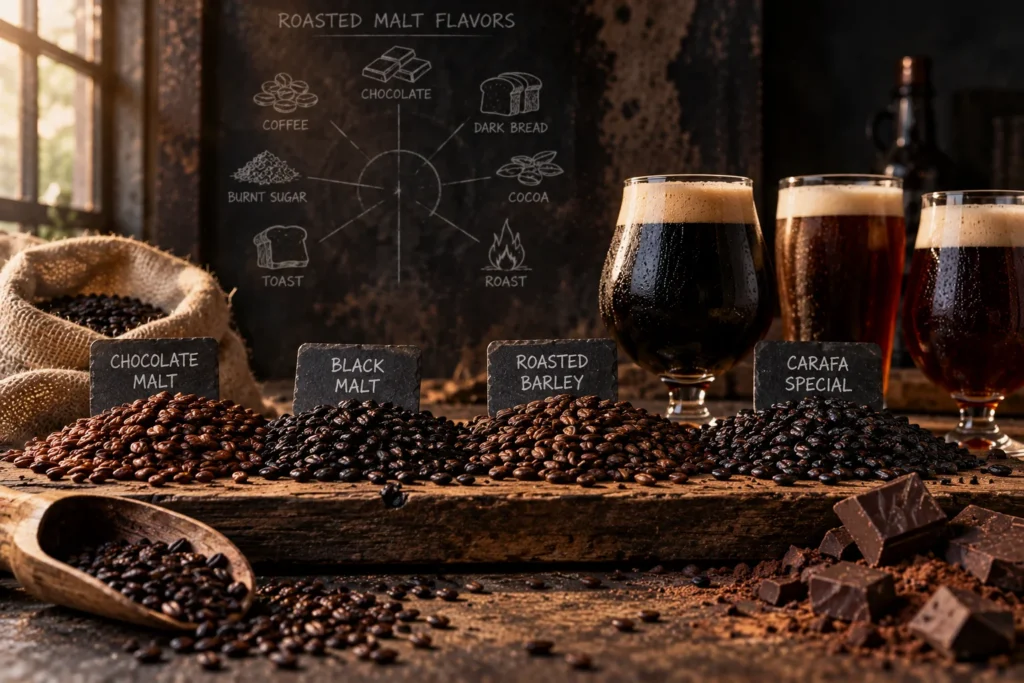
Roasted Malts Explained: Chocolate Malt, Black Malt, Roasted Barley and Carafa

Roasted malts and grains create some of the most distinctive flavors and colors in beer. Chocolate, coffee, cocoa, toast, dark bread, espresso, burnt sugar and deep roasted flavors can all come from relatively small amounts of dark grain. They are essential ingredients in many Porters, Stouts and other dark beers. But roasted grains are not

Roasted Malts Explained: Chocolate Malt, Black Malt, Roasted Barley and Carafa Read More »

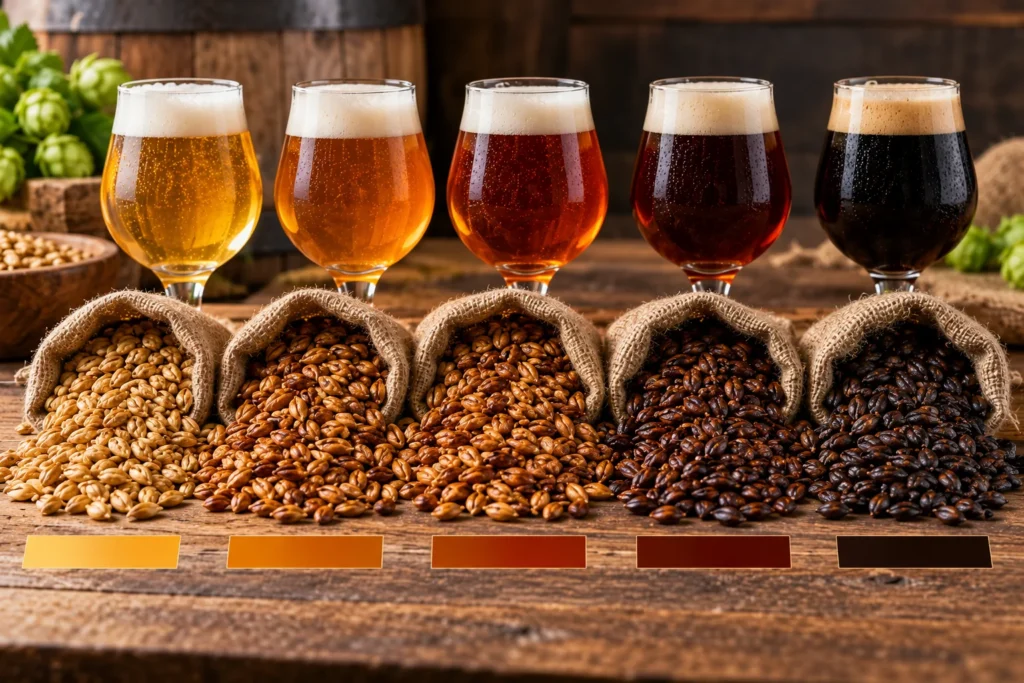
Crystal and Caramel Malts Explained: Flavor, Color and How Much to Use

Crystal and caramel malts are among the most recognizable specialty malts in brewing. They can add sweetness, caramel, honey, toffee, dried fruit, deeper color, body, and complexity to beer. Used carefully, they can transform a simple malt bill into something layered and distinctive. Used excessively, however, they can make a beer heavy, overly sweet, muddy,

Crystal and Caramel Malts Explained: Flavor, Color and How Much to Use Read More »

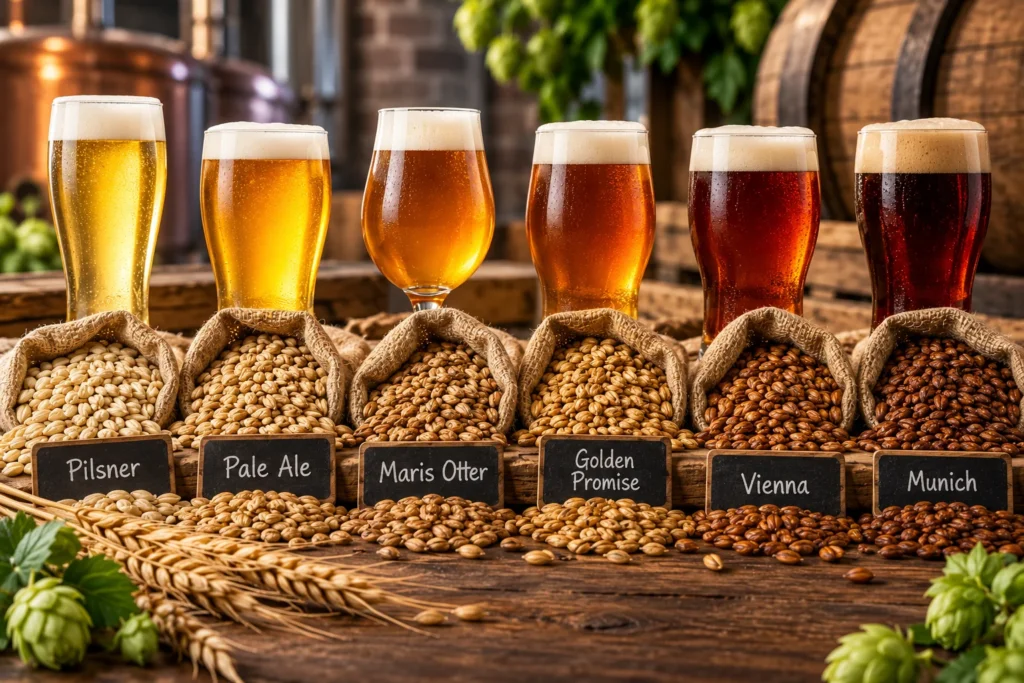
Base Malts Explained: Pilsner, Pale Ale, Maris Otter, Vienna, Munich & More

Base malt is the foundation of almost every all-grain beer recipe. It usually makes up the largest part of the grain bill and provides most of the starch that will eventually become fermentable sugar. But choosing a base malt is not simply a technical decision. The base malt also creates the background flavor on which

Base Malts Explained: Pilsner, Pale Ale, Maris Otter, Vienna, Munich & More Read More »

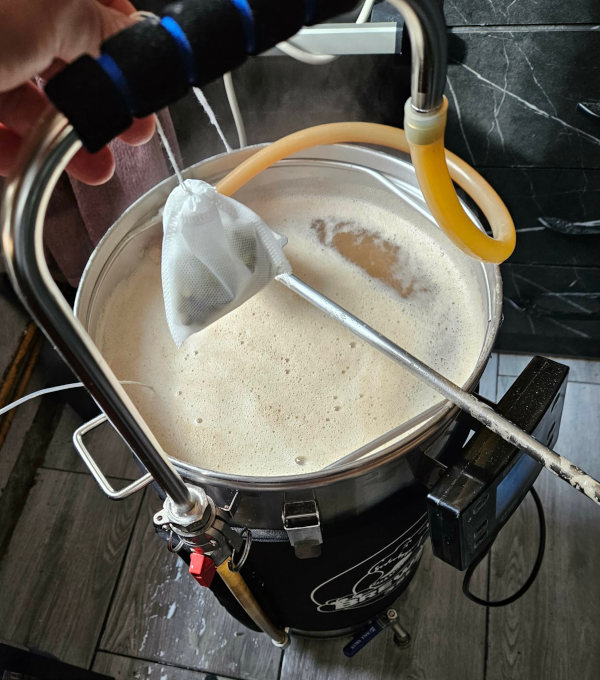
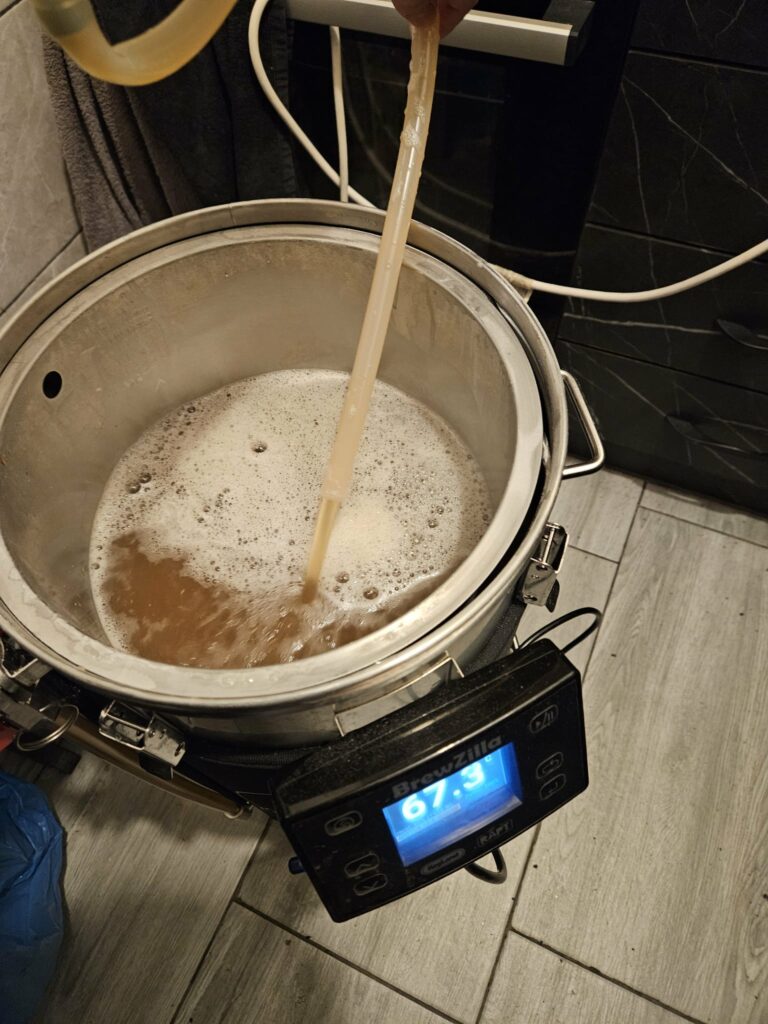
Mash Process Explained: Your Beginner’s Guide to the Grain Conversion Process

Mashing is one of the most important stages of all-grain brewing. This is where crushed malt and warm water come together and the enzymes naturally present in the malt begin converting starch into sugars. Those sugars will later be consumed by yeast during fermentation. The mash therefore has a major influence on the beer’s fermentability,

Mash Process Explained: Your Beginner’s Guide to the Grain Conversion Process Read More »

Cascade Pale Ale,  Light, Citrusy Craft Beer

Igen, ezt is érdemes rendbe tenni, mert az alap jó, de van benne pár számolási és szakmai ellentmondás. A legfeltűnőbb: a komlótáblázatnál fent 26.9 IBU, később 20.3 IBU szerepel. A 6.17% ABV pedig 1.055 → 1.008 mellett valóban kb. 6.2%, tehát ezt nem nevezném „light-bodied” vagy különösen könnyű sörnek. A 75 °C mash-out sem „ensures

Cascade Pale Ale,  Light, Citrusy Craft Beer Read More »

How Beer Is Made – The Homebrewing Process Step by Step

Én ezt feljavítanám, de nem azért, mert rossz. Az alap szerkezete jó és egy kezdő számára érthető. Inkább néhány szakmai pontatlanságot javítanék, és hozzáadnék pár fontos lépést, ami most hiányzik: water preparation, mash pH, vorlauf opcionálisan, whirlpool, oxygenation/aeration, gravity measurements, illetve a cold crash nem minden sörnél kötelező. A címet is kereshetőbbre cserélném. Ezt használnám:

How Beer Is Made – The Homebrewing Process Step by Step Read More »