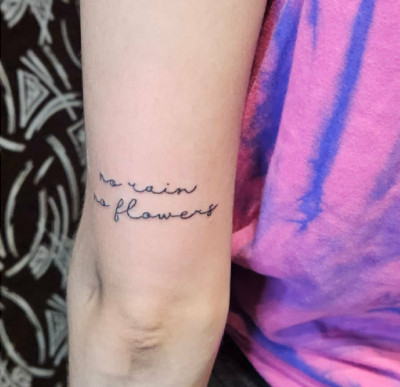
Tattoo trends 2026 reveal a fascinating transformation in contemporary body art. Delicate fine-line tattoos, extraordinary microrealism, expressive sketchwork, nostalgic symbols, and body-hugging ornamental designs are reshaping the way people think about permanent art.
But the most interesting development is not simply the appearance of new techniques. It is the growing desire for tattoos that feel personal, emotionally meaningful, and visually connected to the individual wearing them.
In a world increasingly filled with computer-generated images, polished digital graphics, and constantly changing social media aesthetics, many tattoo enthusiasts are looking for something more individual: artwork that carries the personality of its creator and the story of its owner.
At the same time, traditional tattooing has not disappeared. Bold blackwork, American traditional designs, Japanese-inspired compositions, and colorful neo-traditional tattoos continue to hold their place alongside more experimental styles.
So what are the most interesting tattoo styles of 2026? Which motifs are attracting attention, how are artists developing their techniques, and which designs are likely to remain beautiful long after their initial popularity fades?
Let’s explore the artistic directions influencing tattoo culture this year, from almost invisible lines to carefully planned imperfection.
1. Fine-Line Tattoos: Elegant Jewelry for the Skin
Fine-line tattooing remains one of the most recognizable aesthetics of contemporary body art.
Its appeal lies in delicacy. Instead of relying on thick outlines and heavy shading, artists create images using fine lines, subtle contrasts, and carefully controlled details.
The finished result may resemble an elegant pencil drawing, a piece of jewelry, or an illustration printed directly onto the skin.
What makes fine-line tattoos so attractive?
Fine-line tattoos offer considerable artistic flexibility. They can be discreet and minimalistic, but also detailed, decorative, and emotionally expressive.
Popular designs include:
- Delicate flowers and botanical arrangements.
- Minimalist animal silhouettes.
- Small handwritten messages or meaningful dates.
- Constellations and celestial symbols.
- Fine ornamental details resembling jewelry.
- Abstract shapes and geometric compositions.
One particularly interesting direction involves wrap-around tattoos.
A thin botanical branch can follow the curve of an ankle, while a decorative chain can encircle the wrist. Carefully designed lines may emphasize the natural shape of the collarbone or shoulder.
These tattoos become part of the body’s visual structure rather than simply an image placed on its surface.
The technical reality behind fine-line tattooing
Fine-line tattoos may appear simple, but precision is essential.
Minor irregularities in line weight, inconsistent saturation, and poorly planned spacing can be particularly noticeable when the composition contains very little shading.
There is also an important difference between a small tattoo and a good small tattoo.
Extremely fine lines can soften over time, while details placed too close together may become less distinguishable as the tattoo ages.
For this reason, successful fine-line work requires careful design, suitable placement, and an artist who understands how a tattoo will look after healing.
The best fine-line tattoo is not necessarily the one made with the thinnest possible needle. It is the one that maintains its visual character over time.
2. Microrealism: Extraordinary Detail in a Small Space
Microrealism is one of the most technically demanding directions in modern tattooing.
The idea is simple: recreate a realistic image in a relatively small format without losing its essential characteristics.
In practice, achieving that result requires considerable skill.
A miniature animal portrait, a tiny antique object, or a realistic flower can contain subtle tonal transitions that would normally appear in much larger tattoos.
Tattoo artists interviewed by Allure for its 2026 trend report identified microrealism among the styles attracting attention.
Popular microrealism subjects
Some particularly expressive choices include:
- Portraits of beloved pets.
- Small architectural details and monuments.
- Vintage objects, watches, and jewelry.
- Realistic flowers and insects.
- Miniature landscapes.
- Meaningful everyday objects connected to personal memories.
A small portrait of a childhood pet can carry enormous emotional significance.
Likewise, an antique key, a favorite coffee cup, or a tiny musical instrument can become a permanent reminder of an important chapter in someone’s life.
Why size matters
Microrealism should never be confused with simply reducing a large photograph to a few centimeters.
Realistic images depend on recognizable proportions, contrast, and separation between important details.
If an image becomes too small, those details may gradually lose definition.
Experienced artists often simplify the original reference, strengthen selected shadows, or recommend a slightly larger tattoo.
This is not a compromise in artistic quality. It is part of designing a tattoo that works on living skin rather than on paper or a digital screen.
3. Perfect Imperfection: The Return of the Human Hand
One of the most interesting artistic ideas associated with contemporary tattooing is the beauty of intentional imperfection.
Digital illustration software can produce flawless symmetry, smooth curves, and perfectly repeated patterns.
However, artistic expression does not always require mechanical perfection.
Some tattoo enthusiasts prefer designs that preserve the character of an artist’s hand.
This is where sketch-style, illustrative, and deliberately rough-looking tattoos become particularly interesting.
Sketchbook tattoos
Sketch-style tattoos resemble unfinished drawings from an artist’s notebook.
They may include visible construction lines, overlapping strokes, uneven shading, or marks that suggest movement.
A bird might appear to be flying out of a charcoal drawing. A portrait could combine realistic facial details with loose pencil-like marks.
These elements create an impression of spontaneity.
However, the apparent imperfection should be intentional.
A professionally executed sketch tattoo still requires technical precision. The artist must distinguish between expressive irregularity and uncontrolled tattooing.
Doodle and ignorant-style influences
Another related approach embraces humor, simplicity, and unconventional drawing.
Sometimes associated with ignorant-style tattooing, these designs may feature exaggerated figures, unusual proportions, deliberately crude illustrations, and playful imagery.
The attraction lies in personality rather than technical realism.
An awkwardly drawn cat, a strange cartoon figure, or a handwritten phrase may be more memorable than a perfectly polished image.
This aesthetic is not suitable for everyone, but it demonstrates an important principle: artistic value does not always depend on visual perfection.
A response to digital uniformity?
As generative technology becomes increasingly accessible, the distinction between a mass-produced image and an original artistic interpretation becomes more relevant.
It would be inaccurate to claim that artificial intelligence has caused a worldwide shift toward imperfect tattoos.
Nevertheless, the contrast between digital precision and individual hand-drawn expression provides a meaningful way to understand why some people are attracted to sketchwork and unconventional illustrations.
The defining quality is not imperfection itself. It is authenticity.
4. Organic Flow: Tattoos Designed Around the Body
One of the most sophisticated directions in contemporary tattoo composition focuses on the relationship between artwork and anatomy.
Instead of drawing an image first and deciding where to place it afterward, the artist begins with the body’s natural structure.
The tattoo may follow the shoulder, extend along the spine, curve around the hip, or emphasize the shape of the forearm.
This approach is especially effective with ornamental, botanical, and abstract designs.
Tattoos as permanent accessories
Some designs resemble jewelry or clothing decorations:
- Ornamental patterns following the collarbone.
- Decorative wrist and ankle bands.
- Fine-line chains extending across the hand.
- Symmetrical sternum ornaments.
- Floral compositions following the shoulder blade.
- Vertical designs emphasizing the spine.
Art Nouveau-inspired shapes, flowing botanical elements, and lace-like patterns are particularly suitable for this style.
The most successful compositions look balanced when the body moves naturally.
Why anatomy matters
A design that looks perfect on a flat sheet of paper may behave differently when wrapped around an arm or placed on a curved shoulder.
Muscles, joints, posture, and skin movement all influence the tattoo’s appearance.
For larger ornamental projects, the artist may need to adjust the stencil directly on the body to achieve a balanced result.
Good anatomical placement can make a relatively simple tattoo feel sophisticated and harmonious.
5. Cloud Dancer and Earth Tones: A Softer Visual Direction
Color trends extend beyond clothing and interior design. They can also influence the atmosphere of contemporary tattoo art.
Pantone selected PANTONE 11-4201 Cloud Dancer, a soft white, as its Color of the Year for 2026.
The shade reflects themes of simplicity, calmness, visual openness, and understated elegance.
But what does this mean for tattooing?
It does not mean that white tattoo ink is becoming a direct replacement for black pigment.
Instead, Cloud Dancer provides an interesting visual reference for designs that emphasize negative space, delicate tonal transitions, and restrained color combinations.
Earth-inspired tattoo palettes
Warm browns, muted reddish tones, dusty rose, soft lavender, and subdued botanical colors can create a natural and understated appearance.
These palettes may work particularly well with:
- Vintage botanical illustrations.
- Antique decorative objects.
- Illustrative animal tattoos.
- Romantic floral compositions.
- Softly shaded landscapes.
- Neo-traditional designs with muted colors.
Rather than covering every area with pigment, some artists allow natural skin tones and negative space to play a larger role.
The limitations of very pale tattoo pigments
White and pale pigments behave differently from black ink and can be less visible on some skin tones.
Their appearance can change during healing and over time. Contrast depends on the pigment, skin characteristics, placement, and technique.
A pale lavender or beige design that looks beautiful in a digital mock-up may not have the same visual impact once healed.
Therefore, soft-colored tattoos require realistic expectations and careful planning.
The aesthetic lesson of Cloud Dancer is not that every tattoo should become white or barely visible.
It is that simplicity and visual restraint can be powerful artistic choices.
6. Watercolor 2.0: Painting With Softness and Movement
Watercolor tattoos have been part of contemporary tattoo culture for years, but artists continue to experiment with their appearance.
Instead of clearly separated color blocks, watercolor-inspired designs imitate transparent washes, flowing pigment, and gentle transitions.
Some compositions deliberately resemble paintings made with diluted ink on textured paper.
For 2026, a useful creative interpretation is what we might call Watercolor 2.0: combining artistic softness with stronger attention to composition and long-term readability.
Where watercolor works particularly well
Flowers, birds, butterflies, abstract landscapes, and flowing natural elements can be especially expressive in this style.
A botanical tattoo might combine precise black linework with soft colors that extend slightly beyond the outlines.
A bird could have realistic details in its head and wings while the surrounding composition dissolves into abstract brushstrokes.
The contrast between controlled drawing and spontaneous color creates visual energy.
The importance of structure
Watercolor tattoos should not be designed solely around beautiful fresh photographs.
Without sufficient contrast and clear visual anchors, extremely delicate color transitions may become less distinguishable with time.
Experienced artists consider the relationship between darker elements, lighter colors, and empty space.
The goal is to create the impression of a painting while respecting the realities of tattooing.
7. Botanical Tattoos: From Simple Flowers to Scientific Illustration
Flowers have never disappeared from tattoo culture.
What changes is the way artists interpret them.
In 2026, fine-line botanical tattoos remain an important part of the wider interest in delicate, personalized artwork.
Alongside simple floral motifs, more elaborate illustrations inspired by historical botanical drawings offer an elegant alternative.
These designs may resemble illustrations from old scientific books, with carefully observed leaves, stems, petals, seeds, and roots.
Popular botanical approaches
Scientific botanical illustration: Detailed representations of plants emphasizing recognizable natural structures.
Wildflower arrangements: Loose compositions combining several species into a personalized bouquet.
Birth flowers: Flowers associated with particular months, often chosen to represent family members or important relationships.
Dark botanical designs: Black roses, thorny branches, dried flowers, and dramatic foliage.
Floral ornamentation: Plants incorporated into decorative compositions that follow the natural curves of the body.
Why botanical tattoos remain meaningful
Flowers provide a rich symbolic vocabulary.
They can represent remembrance, renewal, affection, resilience, or a connection to nature.
For example, a bouquet containing the birth flowers of several family members can become a subtle memorial or family tattoo.
An individual flower might recall a childhood garden or a significant location.
However, flower meanings vary across cultures and historical periods. The personal significance of the design is usually more important than a supposed universal symbolic definition.
8. Celestial, Mystical and Ornamental Tattoos
The Moon, stars, planets, and geometric patterns have fascinated tattoo enthusiasts for generations.
In contemporary tattooing, these motifs often appear in more refined and carefully balanced compositions.
A small constellation may be enough for a discreet tattoo, while a larger ornamental design can combine celestial imagery with decorative geometry.
Popular choices include moon phases, stars, solar symbols, planetary arrangements, and abstract geometric patterns.
Minimalism versus complex symbolism
A simple crescent moon can communicate a clear visual idea without requiring extensive detail.
More elaborate compositions may incorporate mandalas, historical symbols, or decorative motifs associated with particular cultural traditions.
When these elements have spiritual or cultural significance, artists and clients should understand their origins.
Sacred symbols are not interchangeable decorations, and responsible design involves respecting their meaning.
Gothic and celestial combinations
The darker side of celestial tattooing connects naturally with Gothic and Halloween-inspired artwork.
Moons, ravens, black roses, antique stars, and ornamental frames can be combined into atmospheric compositions.
For readers who enjoy this aesthetic, our article on Halloween tattoos 2026 explores Gothic tattoo designs, supernatural symbolism, and contemporary horror-inspired styles in greater detail.
9. Cyber-Nostalgia: Y2K Symbols Meet Futuristic Tattoo Art
Tattoo culture is increasingly comfortable revisiting visual styles from previous decades.
The late 1990s and early 2000s are particularly interesting sources of inspiration.
Designs once associated with teenage fashion, early internet culture, and futuristic pop aesthetics are being interpreted through contemporary tattoo techniques.
Butterflies, stars, chrome-effect hearts, stylized flames, and abstract tribal-inspired ornaments all belong to this visual conversation.
The attraction of Y2K aesthetics
For those who experienced the era, these motifs may carry nostalgia.
For younger tattoo enthusiasts, the same designs can feel unfamiliar, playful, or futuristic.
Early mobile phones, pixel hearts, old computer icons, and simplified digital graphics can become unconventional tattoo subjects.
These designs often work well in small or medium formats, especially when their shapes remain clear.
Cybersigilism and neo-tribal influences
A more experimental direction combines sharp ornamental lines with futuristic forms.
Cybersigilism frequently resembles a mixture of digital symbols, abstract calligraphy, and aggressive geometric ornamentation.
Some designs follow the body’s anatomy, while others create symmetrical structures that resemble imaginary technological emblems.
Although visually striking, these tattoos need careful spacing. Highly concentrated thin lines may become difficult to distinguish as they age.
The best results balance complexity with readability.
10. Nostalgic Tattoos: Personal Memories Become Permanent Art
One of the strongest themes in artist discussions about 2026 tattooing is nostalgia.
People are increasingly interested in imagery that reminds them of childhood, family, friendships, pets, music, and specific moments in life.
Instead of choosing a symbol only because it looks fashionable, they may select an object that carries a private story.
Pet portraits inside antique lockets
One particularly charming example involves portraits of pets framed by heart-shaped lockets.
The design combines realism with decorative jewelry imagery.
The portrait may show a beloved dog or cat, while the locket can include ornamental borders, flowers, initials, or small symbolic details.
Such tattoos are deeply personal because the central subject is connected to a real relationship.
Objects that hold memories
Other examples include:
- A childhood toy.
- An old camera or cassette tape.
- A family member’s handwriting.
- A favorite book or musical instrument.
- A nostalgic cartoon-inspired design.
- A meaningful piece of jewelry.
- An everyday object associated with someone important.
The beauty of these tattoos is not always obvious to strangers.
A tiny illustration of an ordinary object may have an extraordinary meaning for the person wearing it.
This is one reason personal storytelling remains relevant regardless of changing artistic trends.
11. Blackwork and Traditional Tattoos: Why Bold Art Is Still Relevant
It would be misleading to suggest that delicate tattoos have replaced everything else.
Traditional tattooing and strong blackwork continue to play major roles in contemporary body art.
Bold outlines, solid black areas, clear silhouettes, and carefully planned contrasts offer a visual language that remains effective across many styles.
American traditional and neo-traditional
American traditional tattoos are known for recognizable imagery, bold outlines, compact compositions, and relatively limited color palettes.
Classic subjects include roses, eagles, daggers, anchors, swallows, and hearts.
Neo-traditional tattooing expands this vocabulary through more complex decorative elements, richer shading, and broader color choices.
Both styles remain appealing to people who appreciate graphic clarity and established tattoo aesthetics.
Contemporary blackwork
Blackwork can range from minimal graphic compositions to extensive ornamental and abstract pieces.
It may incorporate dotwork, textured shading, geometric forms, and large solid areas.
Its visual power comes from the relationship between black pigment and uninked skin.
The fact that fine-line tattoos attract attention does not make bold tattooing outdated.
In many cases, a clearly structured blackwork design can be a better artistic solution than an extremely delicate interpretation of the same subject.
12. Patchwork Tattoos: Building a Personal Collection Over Time
Another recognizable contemporary approach involves collecting multiple individual tattoos rather than designing a complete sleeve from the beginning.
Often described as patchwork tattooing, this method allows separate designs to coexist on the same arm, leg, or other body area.
Each piece may represent a different memory, interest, artist, or stage of life.
A small floral tattoo might sit near a nostalgic symbol, an animal illustration, or a graphic ornament.
Planning makes the difference
Patchwork collections can appear spontaneous, but thoughtful placement improves the overall result.
The distance between individual tattoos influences how they relate visually.
If the wearer eventually wants a fuller sleeve, leaving appropriate spaces can make future additions easier.
Some people prefer a cohesive collection featuring consistent line weights and similar aesthetics.
Others intentionally mix traditional tattoos, fine-line pieces, and illustrative designs.
There is no universal rule requiring every tattoo to match.
However, planning the overall visual balance can prevent future limitations.
13. Custom Tattoo Design in the Age of Artificial Intelligence
The growing accessibility of digital image generation raises interesting questions for contemporary tattoo artists.
Clients can now arrive at a studio carrying references produced by design software, online image collections, or generative AI.
These tools may help communicate an idea, but a visually impressive image is not automatically a suitable tattoo stencil.
Human anatomy, skin characteristics, technical limitations, and the long-term behavior of pigment all affect the final design.
A composition generated for a flat screen may include details that are impossible to reproduce clearly at the requested size.
Why artistic interpretation matters
An experienced tattoo artist can identify which elements are essential to the image and which should be simplified or redesigned.
The artist may adjust the composition, strengthen contrast, alter proportions, or reposition details to work naturally with the body.
Originality also matters.
A tattoo should not simply reproduce another artist’s work without permission or meaningful creative transformation.
Technology can provide useful references, but professional tattoo design remains a process of artistic judgment and collaboration.
The most valuable result is often neither purely digital nor entirely improvised.
It is a design developed through communication between the artist and the person who will wear it.
14. How to Choose the Right Tattoo Style in 2026
With so many artistic directions available, choosing a tattoo can feel overwhelming.
The most effective approach is to consider the relationship between the design, its meaning, its placement, and the artist’s experience.
| Tattoo style | Visual character | Particularly suitable for |
|---|---|---|
| Fine-line | Delicate, precise, understated | Small botanicals, symbols, elegant ornaments |
| Microrealism | Detailed, realistic, compact | Pets, portraits, sentimental objects |
| Sketch style | Expressive, artistic, hand-drawn | Figures, animals, abstract illustrations |
| Ornamental | Decorative, flowing, symmetrical or anatomical | Spine, sternum, shoulder and larger body-flow designs |
| Blackwork | Strong black contrast and graphic forms | Gothic, geometric and bold compositions |
| Neo-traditional | Rich color, clear outlines, decorative shading | Animals, flowers, fantasy and symbolic subjects |
| Watercolor | Soft color transitions and painterly effects | Abstract art, birds, flowers and landscapes |
| Patchwork | Multiple independent pieces | Gradually developed tattoo collections |
Questions worth asking before booking
Consider these points before deciding:
- Do I love the design itself, or only the trend surrounding it?
- Does the chosen artist regularly work in this style?
- Have I seen healed examples of similar tattoos?
- Is the requested size realistic for the level of detail?
- Will the placement allow the composition to move naturally with my body?
- Would I still appreciate the subject if its current popularity disappeared?
A thoughtful consultation often makes the difference between an attractive image and a successful permanent tattoo.
15. Tattoo Longevity: What Looks Beautiful After Five or Ten Years?
A fresh tattoo and a healed tattoo are not identical.
During healing, the skin changes and the finished image settles into its long-term appearance.
Over the years, additional changes may affect line definition, color intensity, and contrast.
These effects depend on multiple factors, including pigment placement, tattoo technique, skin characteristics, sun exposure, and the design itself.
Fine-line and microrealism
Small details need adequate separation.
When several lines sit too close together, they may become visually less distinct with age.
Artists can reduce this problem by planning appropriate spacing and simplifying unnecessary details.
Bold outlines and blackwork
Clear silhouettes and sufficient contrast often help a composition retain its recognizable structure.
However, no tattoo style is completely immune to aging, and black ink can also change in appearance.
Soft colors and watercolor
Very pale areas may provide less contrast against the skin.
A successful soft-color tattoo therefore depends on thoughtful color relationships and a composition that remains understandable even if delicate tones become less prominent.
Placement and daily exposure
Hands, fingers, and areas exposed to frequent friction can present additional challenges for certain designs.
Sun exposure also contributes to changes in tattoo appearance.
A beautiful fresh photograph should never be the only evidence used when choosing an artist.
Healed portfolio photographs are especially valuable because they show how the artist’s technique performs beyond the day of application.
16. Professional Tattoo Safety and Aftercare Still Matter
No trend is more important than safe tattooing.
A professional tattoo studio should maintain appropriate hygiene procedures, use suitable sterile equipment, and provide clear aftercare instructions.
Ink quality and handling deserve particular attention.
Tattoo pigments are introduced into the skin, and contamination or adverse reactions can cause complications.
The U.S. Food and Drug Administration has warned about microbial contamination in tattoo inks, including products that were supplied in sealed containers.
Regulations vary between countries, so artists must also follow the requirements applicable in their location.
Caring for a new tattoo
Always follow the instructions provided by the professional who performed the tattoo.
In general, healing skin should be kept appropriately clean and protected from unnecessary irritation.
Avoid picking at scabs, scratching, swimming, soaking the area, and exposing it to excessive friction during healing.
Once healed, protecting tattoos from ultraviolet radiation is important.
The American Academy of Dermatology recommends broad-spectrum, water-resistant sunscreen with SPF 30 or higher for tattooed skin exposed to sunlight.
If redness spreads, pain worsens, pus develops, or symptoms such as fever occur, seek medical assessment.
A tattoo is a work of art, but its canvas is living skin.
17. What Could Influence Tattoo Culture Beyond 2026?
Predicting the future of tattooing requires caution.
Social media trends can change quickly, and a style popular in one city or online community may be relatively uncommon elsewhere.
Still, several broader artistic directions are worth watching.
More personal storytelling: Objects, memories, relationships, and meaningful symbols may continue to inspire individual designs.
Better anatomical integration: Tattoo compositions that consider body movement and natural contours offer exciting possibilities for large-scale artwork.
Mixed artistic techniques: Combining fine-line, blackwork, illustrative shading, and selective color can create distinctive compositions.
Greater attention to healed results: As clients become more informed, the long-term appearance of tattoos may become an increasingly important factor in artist selection.
Original artist-client collaborations: Personalized artwork provides an alternative to repeatedly copied social media designs.
These are possibilities, not guaranteed predictions.
The most important direction is the continued development of tattooing as an art form that combines technical knowledge, personal meaning, and creative freedom.
Frequently Asked Questions About Tattoo Trends 2026
What are the most popular tattoo styles in 2026?
Fine-line tattoos, microrealism, ornamental designs, nostalgic imagery, blackwork, and personalized memorial pieces are among the styles receiving notable attention. Popularity varies by region, artist, and audience.
Are fine-line tattoos going out of fashion?
There is no clear evidence that fine-line tattooing is disappearing. It remains a widely discussed contemporary style, particularly for botanical, minimalistic, and ornamental designs.
What does perfect imperfection mean in tattooing?
It describes an artistic approach that values expressive lines, sketch-like textures, and intentionally irregular elements. The design may look spontaneous, but professional execution still requires control and precision.
Is Cloud Dancer actually a tattoo ink color trend?
Cloud Dancer is Pantone’s Color of the Year for 2026. Its minimal, airy aesthetic can inspire tattoo compositions, but that does not establish a worldwide trend toward using white tattoo ink or replacing black pigment.
Do microrealism tattoos age well?
They can remain attractive, but their longevity depends heavily on design complexity, size, contrast, placement, technique, and skin characteristics. Tiny details may become less recognizable over time.
Are bold traditional tattoos outdated in 2026?
No. Traditional, neo-traditional, and blackwork tattoos remain important artistic styles. Trends do not eliminate the value of established tattoo techniques.
Should I choose a tattoo because it is trending?
A trend can be a useful starting point for inspiration. However, permanent body art is usually more satisfying when the subject and artistic style reflect your own interests and personal identity.
Final Thoughts: The Future of Tattooing Is Personal
Tattoo trends 2026 demonstrate how diverse contemporary body art has become.
At one extreme, a few delicate lines can form a beautiful miniature flower. At the other, an entire back can become a dramatic composition filled with symbolism, movement, and contrasting textures.
Microrealism celebrates technical detail. Sketch tattoos embrace artistic spontaneity. Ornamental designs highlight the body’s natural structure, while nostalgic imagery transforms personal memories into visual stories.
Yet none of these approaches is automatically better than another.
The strongest tattoos combine an appropriate artistic style with good technical execution, thoughtful placement, and genuine personal meaning.
The idea of perfect imperfection captures something essential about tattoo culture: individuality cannot always be measured through symmetry, precision, or fashionable appearance.
Sometimes a slightly irregular line, an unconventional illustration, or a deeply personal symbol communicates more than the most elaborate design.
The best tattoo is not the one everyone wants in 2026. It is the one you will still be happy to wear in the years ahead.
For more inspiration, explore the The Tattooist Craft Tattoo Gallery and discover how different tattoo styles transform individual ideas into permanent works of art.