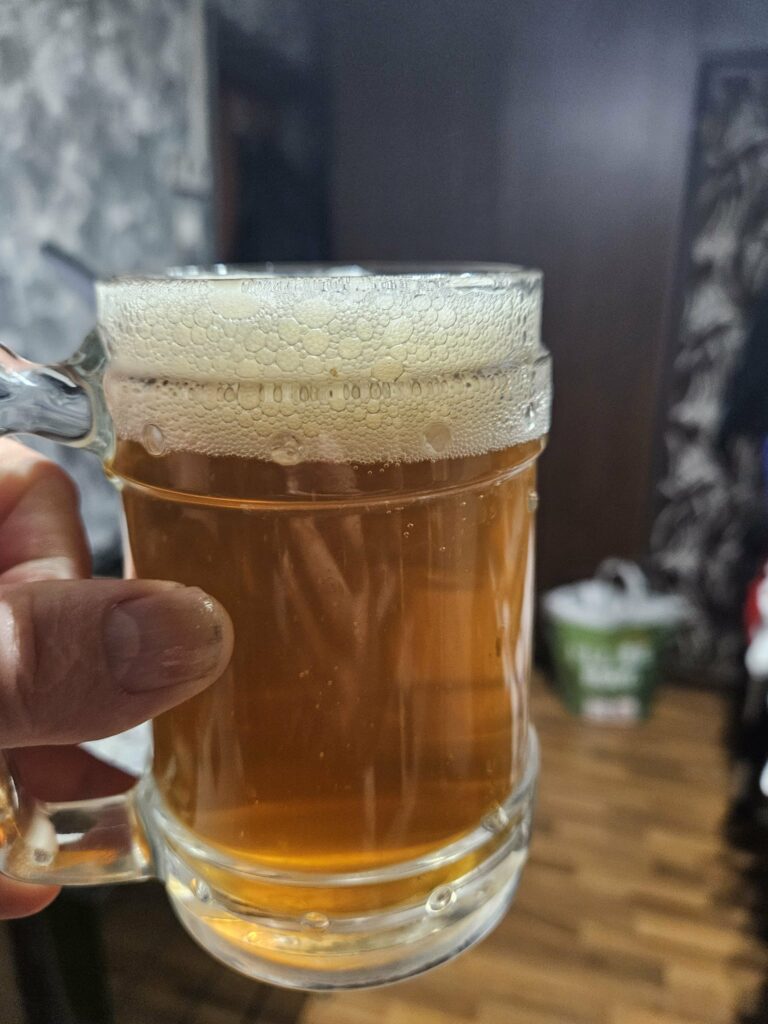
What Is Craft Beer?
Craft beer is more than just a drink – it’s a philosophy, a passion that blends tradition with creativity. A craft beer is brewed in small batches, with great care, from natural ingredients, typically by small, independent breweries. The goal is not mass production, but uniqueness, rich flavor, and quality.
While industrial breweries produce beer in enormous tanks through automated processes, craft breweries rely on the personal touch and expertise of the brewmaster. Every decision – the choice of malt, hops, yeast, and special ingredients – reflects the brewer’s taste, creativity, and vision. Each craft beer tells a story: you can literally taste the brewer’s thoughts, personality, and philosophy in every sip.
The Origins of the Craft Beer Movement
The modern craft beer movement began in the 1970s in the United States. At that time, the beer market was dominated by a few large corporations, and most of the available beers were light, pale lagers with mild, uniform flavors. Many beer enthusiasts and homebrewers felt that beer had lost its soul – its depth, diversity, and authenticity.
They started rediscovering traditional brewing techniques and classic styles such as English ales, Belgian abbey beers, and German wheat beers, while also experimenting with new hop varieties, fruits, and spices.
The movement quickly spread around the world. Today, craft beer culture is thriving across Europe, including in Hungary, where dozens of small breweries create their own distinctive styles using local ingredients and original recipes. Craft brewing has become not just a trade but a community – a shared experience between brewers and drinkers who value authenticity, quality, and creativity.
Why “Craft”?
The word craft stands for skill, care, and human touch. A craft beer is not made on an assembly line but through decisions, senses, and emotions at every stage of brewing. The brewer is not merely following a recipe but creating something – just like a chef, a winemaker, or an artist.
Craft beer represents a return to roots, to authentic flavors and natural processes, standing as the opposite of industrial mass production.
Craft beer is not just a category of beer – it’s a state of mind, a meeting point of flavor, aroma, tradition, and innovation. Behind every bottle lies a story, and behind every sip, a person. That’s what makes craft beer truly special – and that’s why we call it craft.
Brewing as an Art – The Law of Variability
When you read my recipes, remember this: brewing beer is not a sterile laboratory process. It’s a living, breathing act of creation – an art form that happens in your own kitchen.
I can give you exact numbers, temperatures, and timings, but every brew will always be a little different. The water boils differently, the malt behaves differently, the hops carry their own character – and that’s exactly what makes homebrewing so fascinating. Every beer is unique.
There’s an unwritten rule in brewing: the Law of Variability.
Even the biggest industrial breweries struggle to achieve identical results from batch to batch. For us, homebrewers, that’s even more true. Your OG, FG, or IBU will almost never match mine exactly, because the final result depends on countless small factors.
Malt Yield Differences: The amount of sugar you extract – your efficiency – depends on mash temperature, crush quality, and even how fast you sparge. As a result, your beer may turn out slightly stronger or weaker than my version.
Hop Variability: Hops are natural products. Their alpha acid content changes from harvest to harvest, and even between suppliers. So while my recipe lists a specific IBU, your hops may bring a softer or bolder bitterness and aroma.
The key idea is simple: if I’ve never managed to brew the exact same beer twice, you won’t either. But that’s not a problem – that’s the magic of craft brewing.
Every small detail matters. The volume of water, the mash temperature, the strength of the boil – all shape the outcome. After a few brews, if you take notes and pay attention, you’ll start discovering what works best for you. You’ll find your own balance, your own style.
Think of my recipes as starting points, not rigid rules. Don’t be afraid to experiment. Take notes, measure, adjust, and make the beer your own.
Want a stronger hop aroma? Add more hops. Prefer something smoother and maltier? Scale it back. I rarely brew the same recipe twice myself, because experimenting is what keeps brewing exciting.
The recipes in this book are the result of my best and most successful brews – the classic Pale Ale Cascade, the clean and balanced Lager, the bold IPA, the surprising Raspberry Sour, and the rich, full-bodied Stout. They’re solid foundations you can always rely on, but the real joy begins when you start adapting them to your own taste.
Brewing is not a destination – it’s a journey. Every batch is a new chapter.
And the more you brew, the closer you’ll get to discovering a flavor that’s truly yours.