Alitta

Tattoo Artist and Craft Beer Brewer

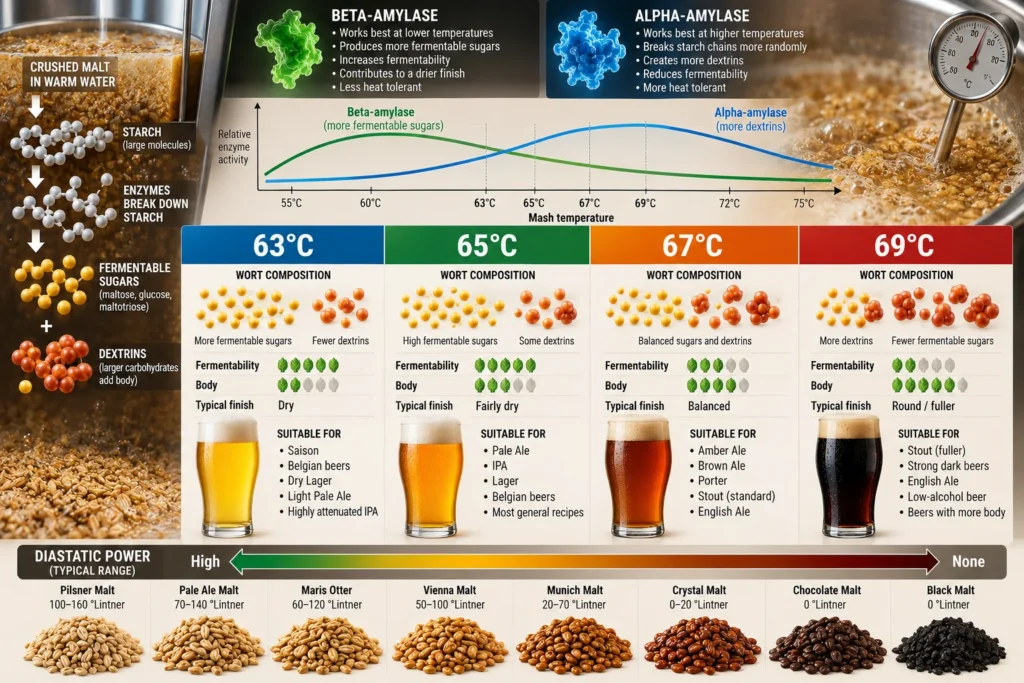
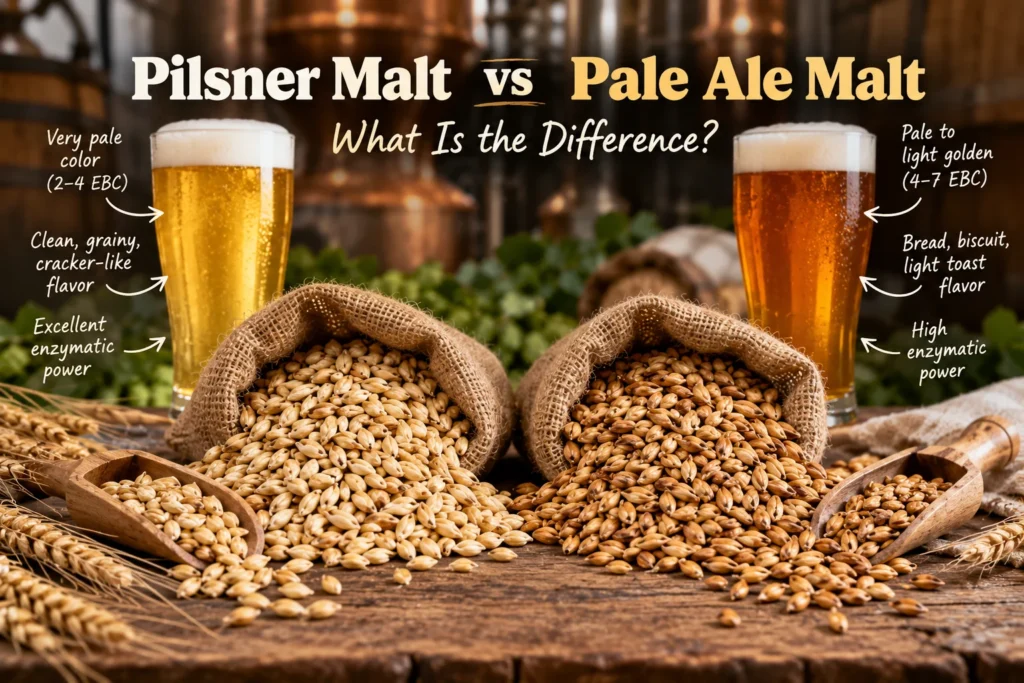
Diastatic Power and Mash Temperature Explained: Enzymes, Starch Conversion and Fermentability

When crushed malt is mixed with warm water, one of the most important processes in brewing begins. The starch stored inside the grain is converted into sugars. Some of these sugars can be fermented easily by brewing yeast. Others remain in the finished beer and contribute to body and mouthfeel. This conversion is driven primarily

Diastatic Power and Mash Temperature Explained: Enzymes, Starch Conversion and Fermentability Read More »

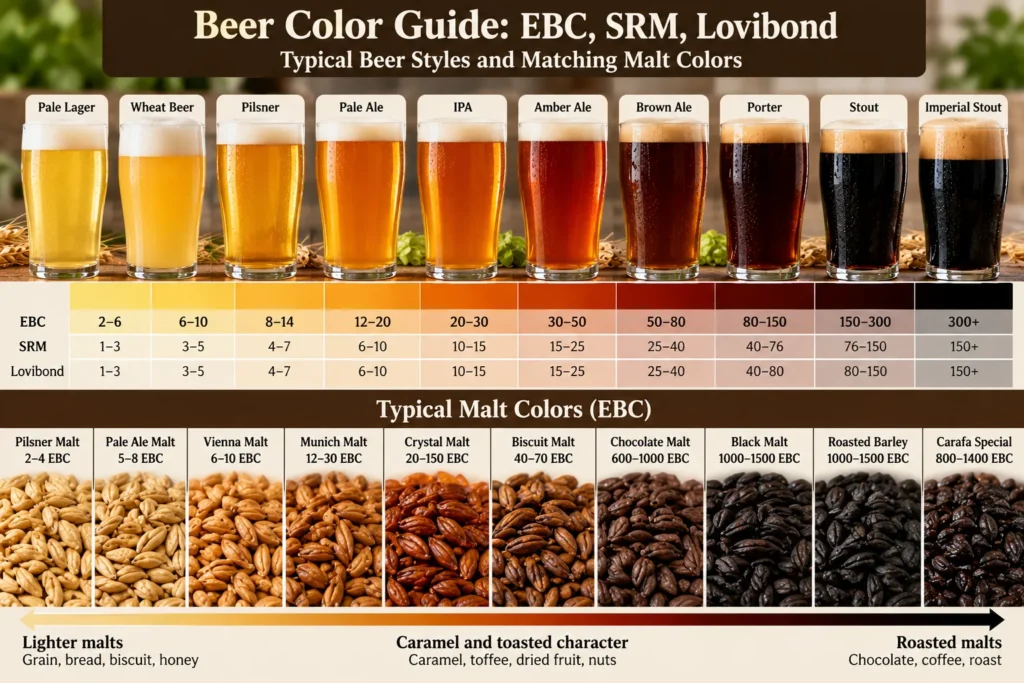
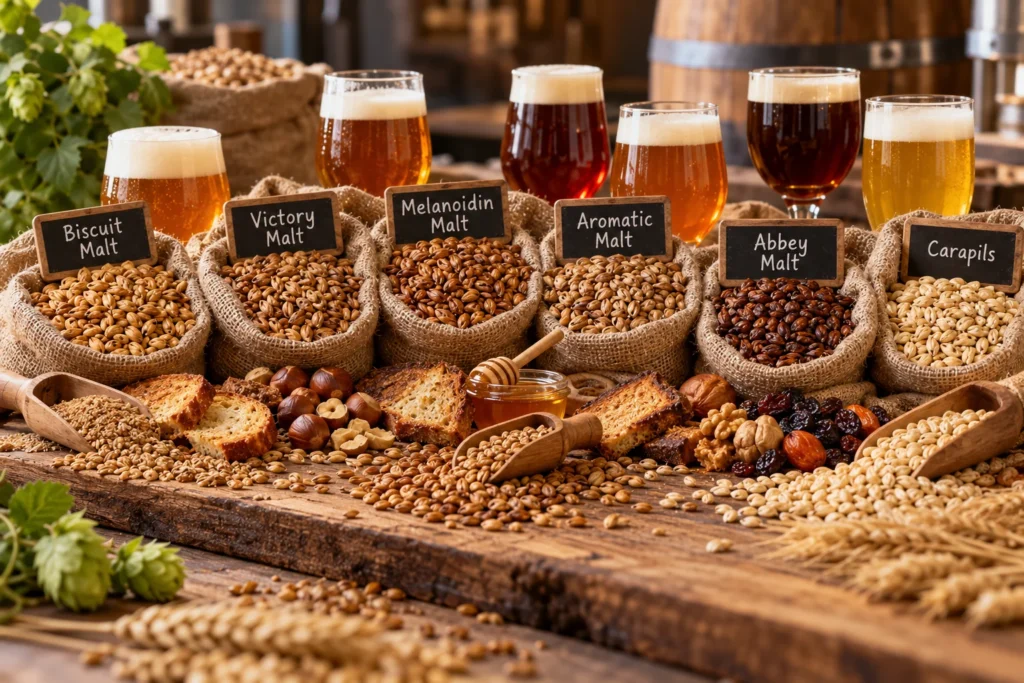
Specialty Malts Explained: Flavors, Usage Rates and How Much to Use

Specialty malts are some of the most useful ingredients available to homebrewers. A relatively small amount can completely change the character of a beer. They can add: But specialty malts are also among the easiest ingredients to overuse. Adding more does not automatically create a more complex or better beer. In many cases, the opposite

Specialty Malts Explained: Flavors, Usage Rates and How Much to Use Read More »

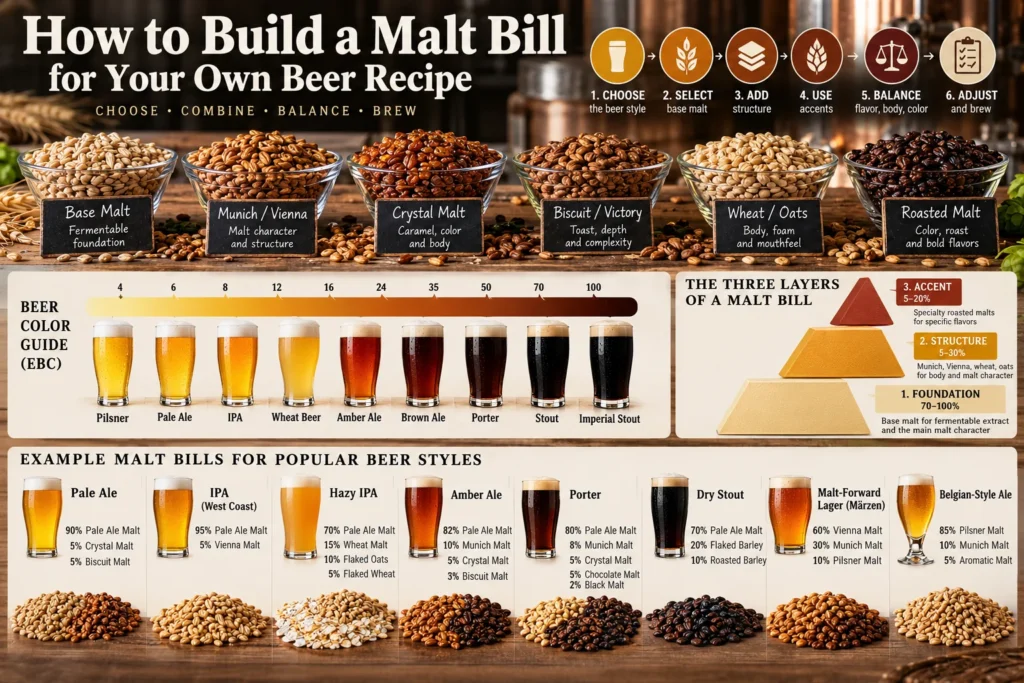
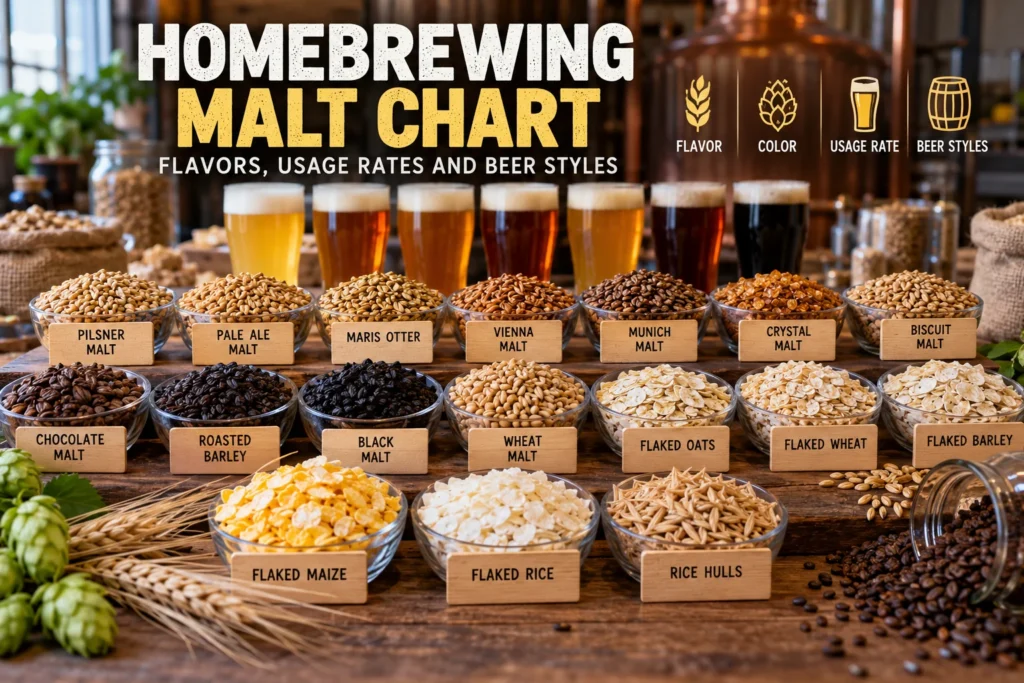
Homebrewing Malt Chart: Flavors, Usage Rates and Beer Styles

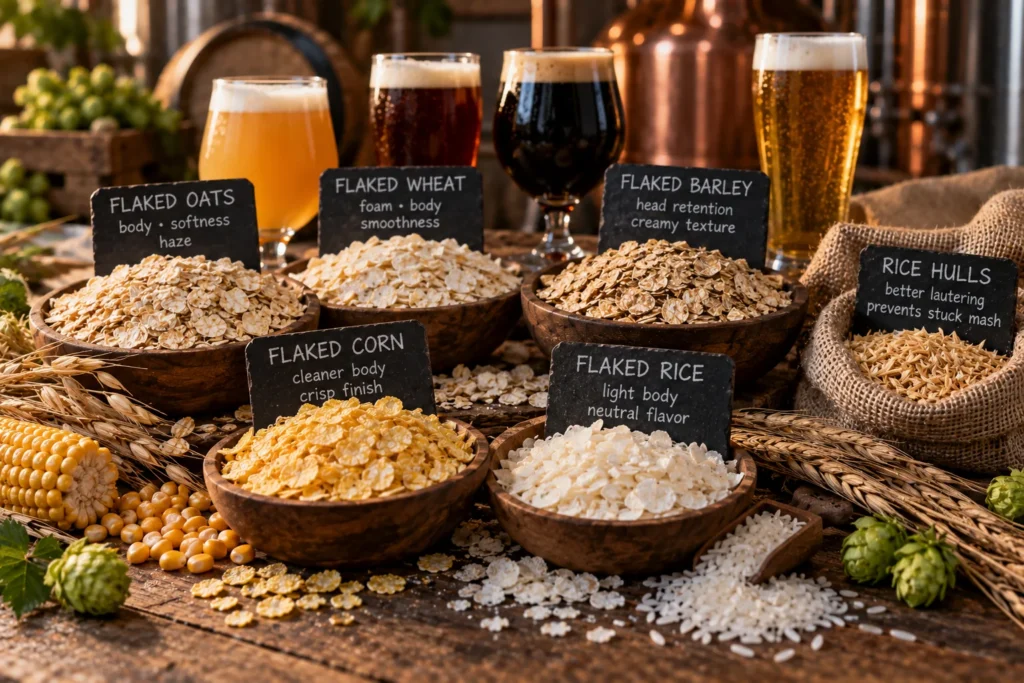
Choosing malt becomes much easier when you understand what each ingredient is actually supposed to do. Some malts provide most of the fermentable sugars. Others add bread, toast, biscuit, caramel, coffee or chocolate flavors. Some improve body and foam. Others are primarily used to adjust color. And ingredients such as oats, wheat, corn and rice

Homebrewing Malt Chart: Flavors, Usage Rates and Beer Styles Read More »