Alitta

Tattoo Artist and Craft Beer Brewer

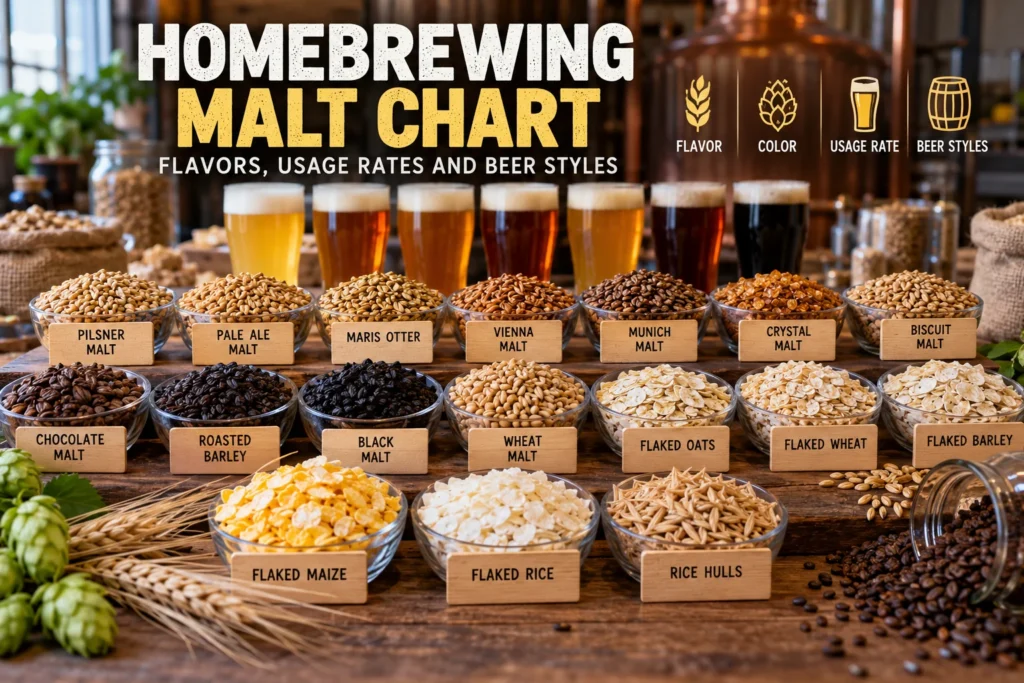
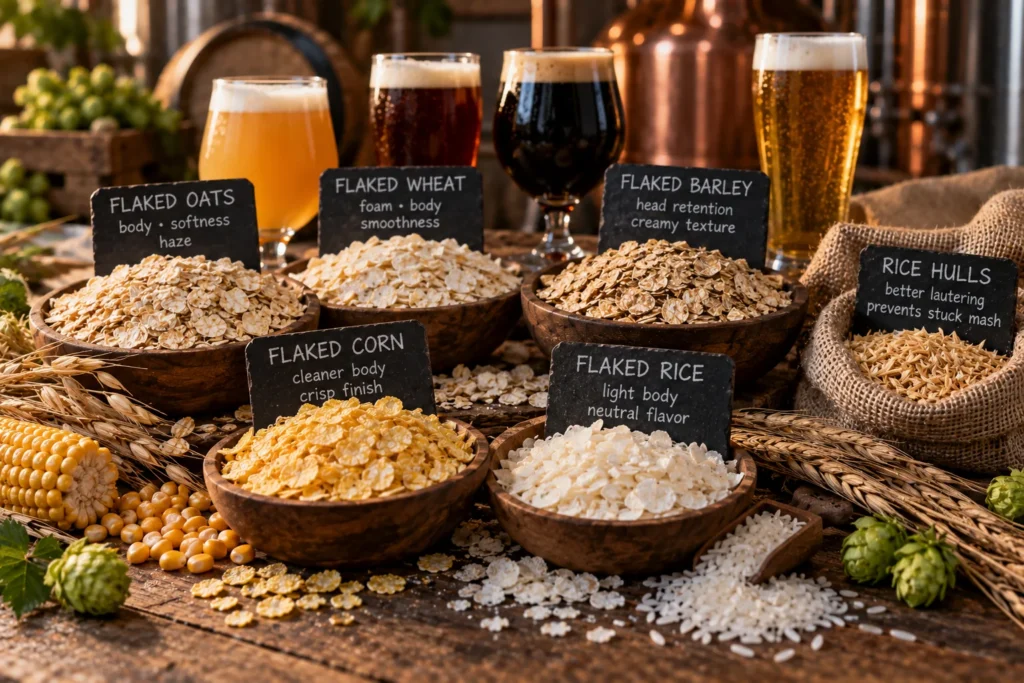
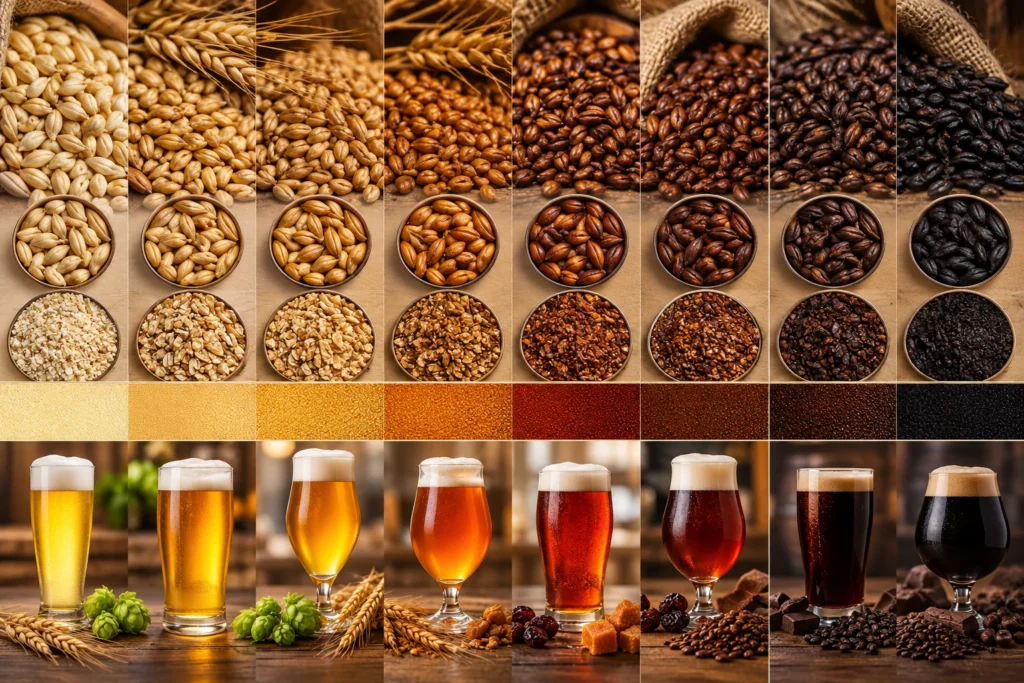
Homebrewing Malt Chart: Flavors, Usage Rates and Beer Styles

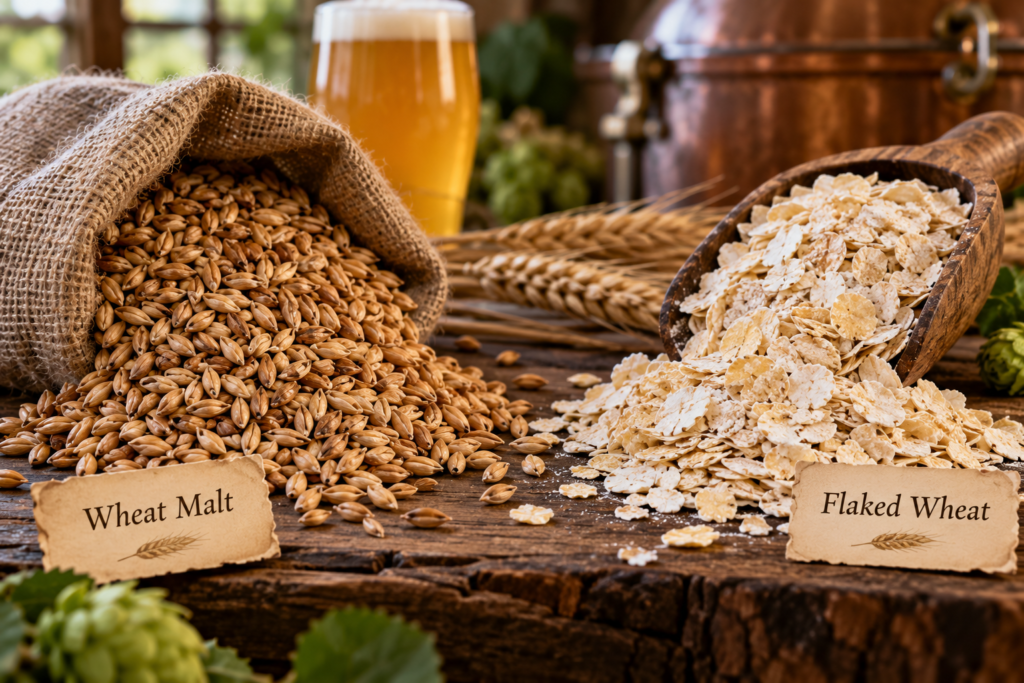
Choosing malt becomes much easier when you understand what each ingredient is actually supposed to do. Some malts provide most of the fermentable sugars. Others add bread, toast, biscuit, caramel, coffee or chocolate flavors. Some improve body and foam. Others are primarily used to adjust color. And ingredients such as oats, wheat, corn and rice

Homebrewing Malt Chart: Flavors, Usage Rates and Beer Styles Read More »

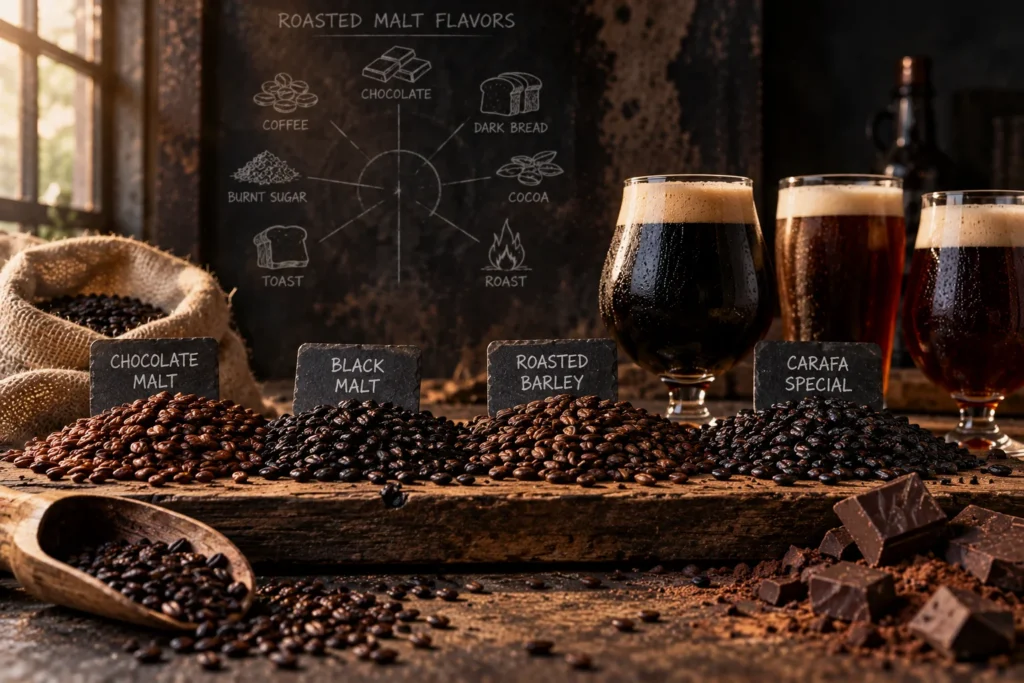
Roasted Malts Explained: Chocolate Malt, Black Malt, Roasted Barley and Carafa

Roasted malts and grains create some of the most distinctive flavors and colors in beer. Chocolate, coffee, cocoa, toast, dark bread, espresso, burnt sugar and deep roasted flavors can all come from relatively small amounts of dark grain. They are essential ingredients in many Porters, Stouts and other dark beers. But roasted grains are not

Roasted Malts Explained: Chocolate Malt, Black Malt, Roasted Barley and Carafa Read More »

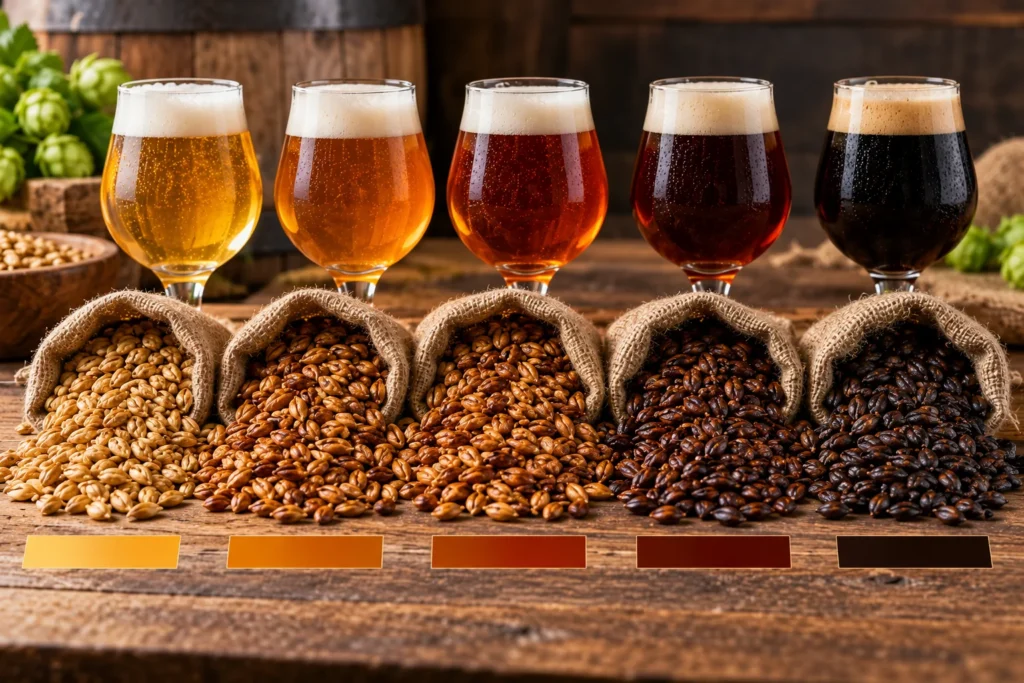
Crystal and Caramel Malts Explained: Flavor, Color and How Much to Use

Crystal and caramel malts are among the most recognizable specialty malts in brewing. They can add sweetness, caramel, honey, toffee, dried fruit, deeper color, body, and complexity to beer. Used carefully, they can transform a simple malt bill into something layered and distinctive. Used excessively, however, they can make a beer heavy, overly sweet, muddy,

Crystal and Caramel Malts Explained: Flavor, Color and How Much to Use Read More »

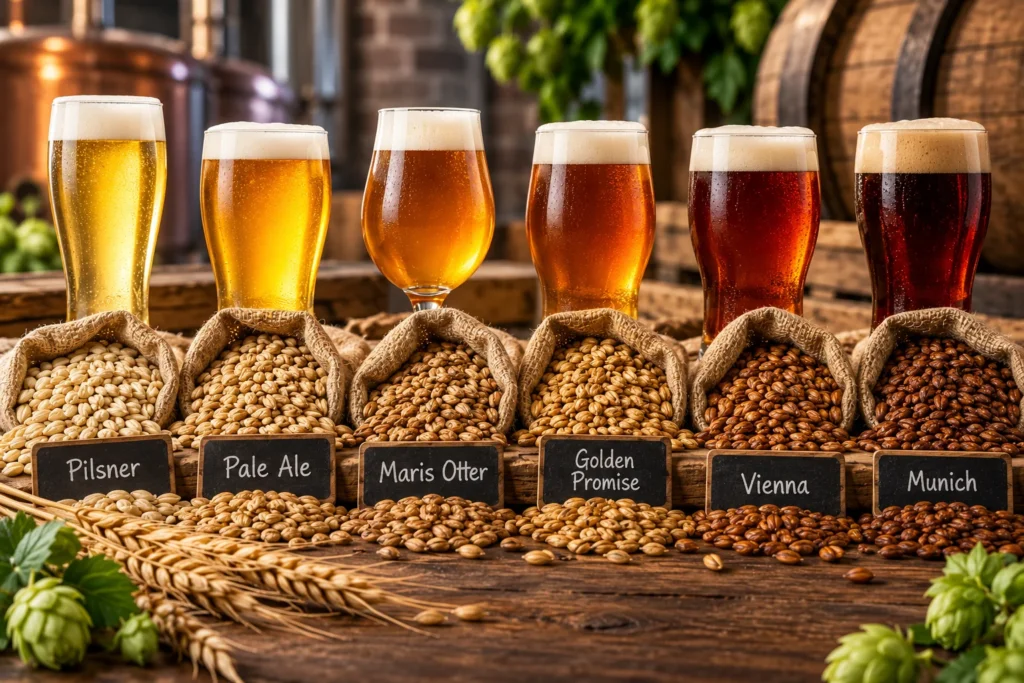
Base Malts Explained: Pilsner, Pale Ale, Maris Otter, Vienna, Munich & More

Base malt is the foundation of almost every all-grain beer recipe. It usually makes up the largest part of the grain bill and provides most of the starch that will eventually become fermentable sugar. But choosing a base malt is not simply a technical decision. The base malt also creates the background flavor on which

Base Malts Explained: Pilsner, Pale Ale, Maris Otter, Vienna, Munich & More Read More »

Dayak tetoválások Borneón – ősi hagyományok és újjászülető örökség

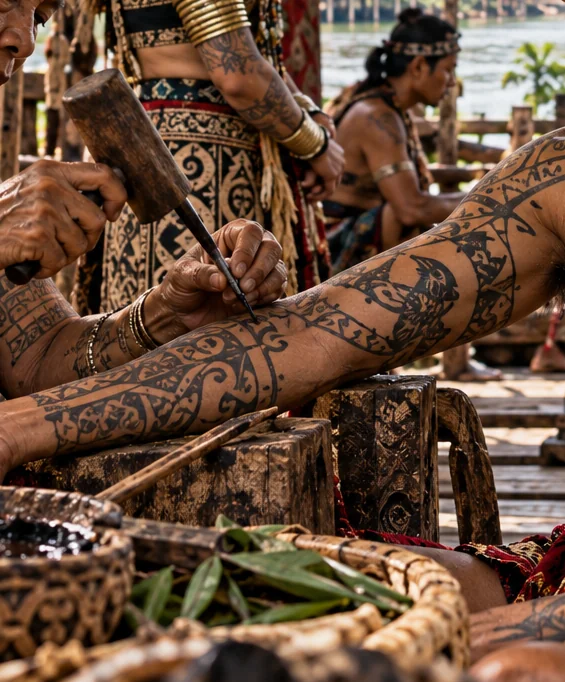
Borneó őslakos kultúráinak egyik legismertebb öröksége a hagyományos tetoválás. A fekete, erőteljes motívumok ma a világ számos tetoválóstúdiójában visszaköszönnek, eredeti jelentésük azonban jóval mélyebb volt egyszerű díszítésnél. A Dayak elnevezés nem egyetlen törzset jelent. Gyűjtőnév, amely Borneó számos őslakos népét és közösségét foglalja magába. Az Iban, Kayan, Kenyah és más csoportok saját tetoválási hagyományokkal, motívumokkal

Dayak tetoválások Borneón – ősi hagyományok és újjászülető örökség Read More »

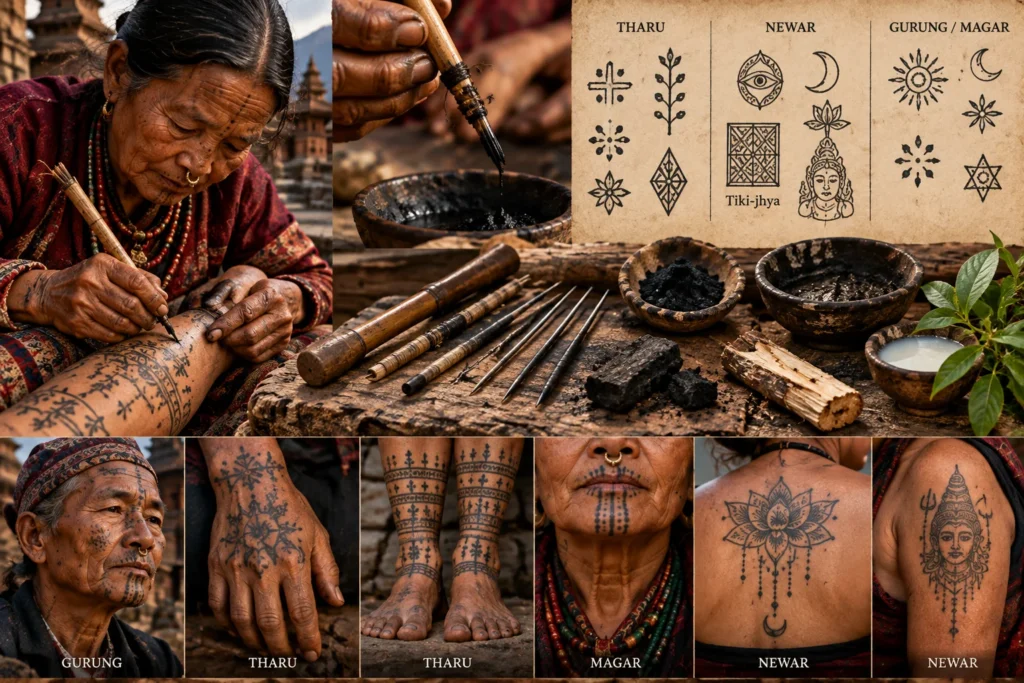
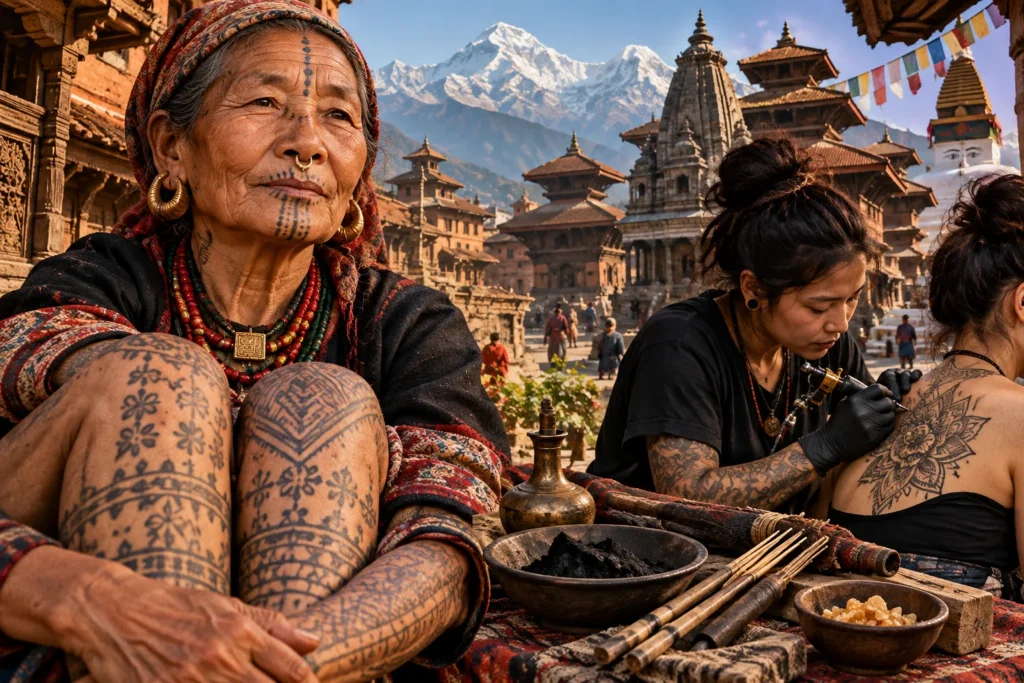
Tattoo Culture in Nepal – From Ancient Traditions to Modern Tattooing

When we think of Nepal, the first images that usually come to mind are the Himalayas, Mount Everest, Buddhist monasteries, Hindu temples, prayer flags, and the bustling streets of Kathmandu. Yet Nepal’s cultural heritage also has another, lesser-known story — one written on human skin. For generations, different peoples of Nepal have used tattooing as

Tattoo Culture in Nepal – From Ancient Traditions to Modern Tattooing Read More »

Nepál tetováláskultúrája – hagyományoktól a modern tetoválásig

Nepál hallatán legtöbbünknek először a Himalája, a Mount Everest, a buddhista kolostorok, hindu templomok, imazászlók és Katmandu nyüzsgő utcái jutnak eszünkbe. Pedig az ország kulturális örökségének van egy kevésbé ismert, bőrre írt története is. Nepál különböző népei évszázadokon keresztül használták a tetoválást díszítésként, az identitás kifejezéseként, vallási vagy spirituális jelként, illetve olyan maradandó értékként, amely

Nepál tetováláskultúrája – hagyományoktól a modern tetoválásig Read More »